
A Constitution Bench unanimously struck down Section 497 IPC, which punished only a man for sex with another man's wife without the husband's consent, as manifestly arbitrary, discriminatory and destructive of women's dignity and autonomy. Adultery may remain a civil wrong and a ground for divorce, but not a crime (Misra CJI, paras 23, 41-42, 55; Chandrachud J., para 67).
A Constitution Bench declined to refer M. Nagaraj to a seven-Judge Bench, but held invalid its requirement that the State collect quantifiable data showing backwardness of Scheduled Castes and Scheduled Tribes before reserving promotions, as contrary to Indra Sawhney. The creamy layer principle, rooted in equality, applies to them, and data on inadequacy of representation must still be collected, with adequacy left to the States (paras 14-17, 20-21).
The Supreme Court allowed writ petitions seeking live streaming of its proceedings, holding that virtual access gives effect to open justice, access to justice and the right to know. Live streaming is to begin as a pilot of Constitution Bench cases under rules framed by the Court, with consent, a time delay, the Court's copyright and the exclusion of sensitive cases (Khanwilkar J., paras 12, 14, 19; Chandrachud J., para 21).
A Constitution Bench held that the Court cannot add a disqualification for legislators, such as the framing of charges, beyond those in Articles 102 and 191 and the Representation of the People Act, nor direct the Election Commission to deny party symbols. To inform voters, it directed candidates and parties to publicise pending criminal cases, and urged Parliament to legislate (paras 22-23, 106-108, 116).

A three-judge Bench of the Supreme Court dismissed an appeal against a conviction for possessing 1.5 kg of charas (paras 1-2, 13). Section 42 did not apply because the appellant was intercepted on a road, a public place governed by Section 43 (paras 7-8). Because his trousers were searched as well as his bag, Section 50 was attracted although the charas was in the bag, and it had been strictly complied with (paras 11-12).

In Mohan Lal v. State of Punjab (2018 INSC 714), the Supreme Court held that a fair investigation, the foundation of a fair trial under Article 21, requires that the informant and the investigator are not the same person, all the more under laws with a reverse burden of proof such as the NDPS Act (para 25). As the police officer who reported the opium seizure had investigated it himself, the prosecution was held vitiated and the conviction set aside (para 26). A Constitution Bench overruled this rule in 2020.

The Supreme Court restored the acquittal of Mohinder Singh, whom the High Court had convicted of carrying 7 kg 40 g of opium. With no Magistrate's order on record showing that the seized contraband was produced before him, and no malkhana register entry, oral police evidence could not prove the seizure, and the High Court had no ground to reverse the acquittal (paras 10-16).
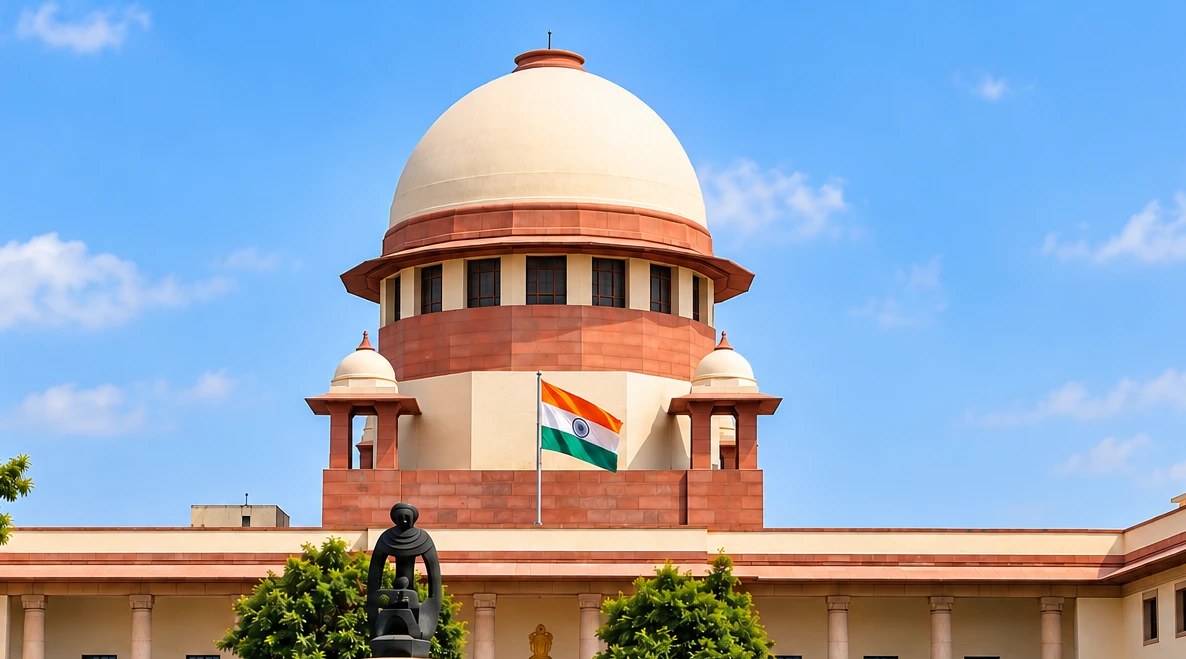
Holding that lynching and mob violence by self-appointed vigilantes are an affront to the rule of law, the Supreme Court issued binding preventive, remedial and punitive guidelines to the Centre and the States: district nodal officers, FIRs without delay, victim compensation schemes, fast-track trials and action against officials who fail to act. It also recommended that Parliament create a separate offence of lynching (paras 18, 40, 43).
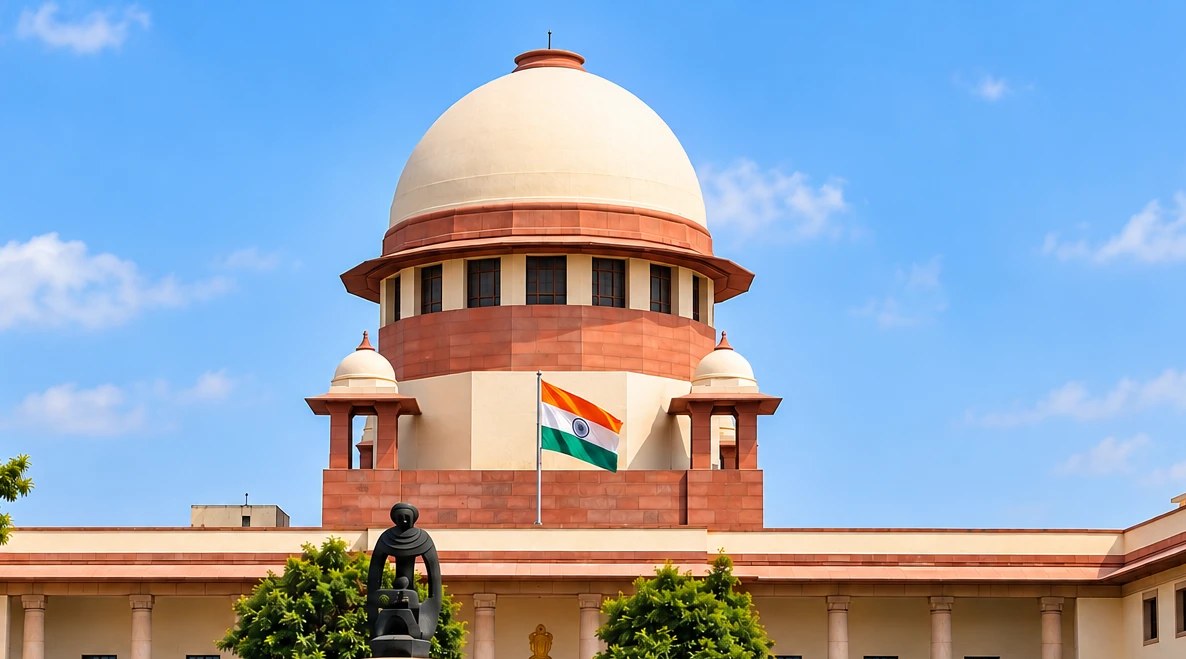
A Constitution Bench held that Delhi is not a State, but under Article 239AA(4) the Lieutenant Governor is bound by the aid and advice of the elected Council of Ministers on matters within the Assembly's power, save land, police and public order. He has no independent decision-making power, and may refer only exceptional differences to the President (Misra CJI, para 277; Chandrachud J., para 143).

The Rajasthan High Court set aside an order framing charges under Sections 8/20(b)(ii)(C) and 8/25 of the NDPS Act against a car's registered owner (paras 2, 8). The order gave no reason why both the 12 kg of ganja held by the co-accused and the 14 kg in the boot were his conscious possession, so the commercial-quantity charge could not stand (para 6). As he was himself driving, a Section 25 charge was unjustified (para 7).

The Supreme Court set aside the conviction of a man from whom about 2.5 kg of charas had been recovered, because the search was not made in the presence of a Magistrate or a Gazetted Officer (paras 8, 28, 30-31). He had been told of his right but consented in writing to be searched by the raiding police party; the Court held that this did not satisfy the mandatory requirements of Section 50 of the NDPS Act as laid down in Vijaysinh Chandubha Jadeja (paras 7-8, 26-28).

The Supreme Court upheld the refusal of anticipatory bail to Satpal Singh in a commercial-quantity NDPS case and set aside the anticipatory bail granted to two co-accused, because the High Court had not applied Section 37. Parity with co-accused is no ground where Section 37 was ignored, and anticipatory bail does not carry over into regular bail once the charge-sheet is filed (paras 2, 14-16).