

The Rajasthan High Court refused to cancel the bail of an accused whose 21 earlier cases were not before the Sessions Court. The bail order recorded no claim by him that he had no criminal record; the Sessions Court had relied on the case diary, and the investigating officer had neglected his duty to attach a list of the pending cases. The alleged threats were unsubstantiated, and cancelling bail is a harsh step (paras 5-6, 8-10).
The Rajasthan High Court upheld Regulation 9 of the Rajasthan Real Estate Regulatory Authority Regulations, 2017, which lets RERA have complaints decided by single-member benches, and held that such delegation also flows from Section 81 of the Act (paras 20, 36). Deciding 70 petitions together, it held that RERA prevails over the SARFAESI Act, does not reach mortgages created before the Act unless fraudulent or collusive, and can hear complaints against a bank once it takes Section 13(4) measures (para 36).

The Supreme Court upheld a conviction for possessing 900 grams of smack found beneath the seat of a motorcycle stopped by a police patrol (paras 2-4, 19). It held that the seizure was "a chance recovery on a public road" governed by Section 43 of the NDPS Act, that Section 50 applies to a personal search and not to a vehicle, and that ownership of the motorcycle and non-production of the contraband did not help the accused (paras 11-15).

On a reference from the Sessions Judge, Pali, a Division Bench of the Rajasthan High Court held that a maintenance claimant may file one consolidated application for the previous 12 months' arrears under Section 125(3) CrPC. The Magistrate treats it as 12 separate claims, issues a warrant for each month and may impose up to one month's imprisonment for each month's default. Shahada Khatoon bars only more than one month for a single default (paras 9, 11-12).
The Rajasthan High Court disposed of 847 petitions seeking release of vehicles seized for illegal mining. To keep parity with vehicles seized by the Mining Department, vehicles seized by the police are to be released only after the owner deposits the compounding fee, the compensation determined by the NGT and the cost of mineral, and undertakes not to repeat the offence, because release on mere surety would encourage illegal mining (paras 5-6, 18-20).

A Division Bench of the Rajasthan High Court at Jodhpur allowed a husband's appeal against a Family Court order that refused to waive the six-month waiting period in a joint petition for divorce by mutual consent and kept the case for 28.02.2022. Following Amardeep Singh v. Harveen Kaur, it held Section 13B(2) of the Hindu Marriage Act directory, waived the period and directed the Family Court to pass the divorce decree (paras 11-14).

The Supreme Court set aside bail granted by the Allahabad High Court to an accused found travelling from Dimapur towards Rampur in a car with 3.3 kg of morphine hidden near its wiper. That nothing was recovered from his person, and that the translator's endorsement on his Section 67 statement named a co-accused, did not meet the Section 37 test of reasonable grounds to believe he was not guilty (paras 21, 25, 30-32).
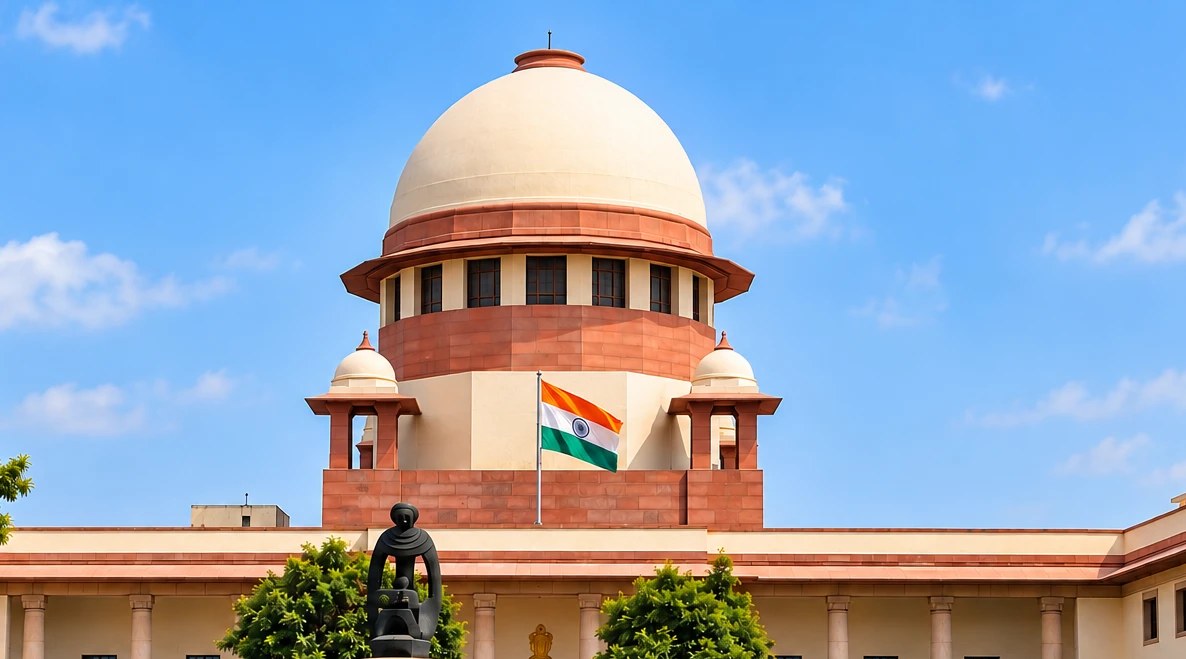
The Supreme Court upheld the refusal to let the Kerala government withdraw the prosecution of six former MLAs accused of damaging the Speaker's dais and equipment during the 2015 budget speech. Privileges and immunities under Article 194 protect legislative functions, not acts of destroying public property, and allowing the withdrawal would interfere with the normal course of justice for illegitimate reasons (paras 52, 56, 59, 85).

The Rajasthan High Court held that a bail application under Section 439 CrPC is not maintainable against an Additional Sessions Judge’s order rejecting an application for default bail under Section 167(2) CrPC (para 7). Bail under Section 439 is a co-extensive power that does not test the lower court’s order, while an order on default bail must be examined for its legality in revisional or inherent jurisdiction (paras 6-7). The second bail application was converted into a criminal revision petition (para 8).
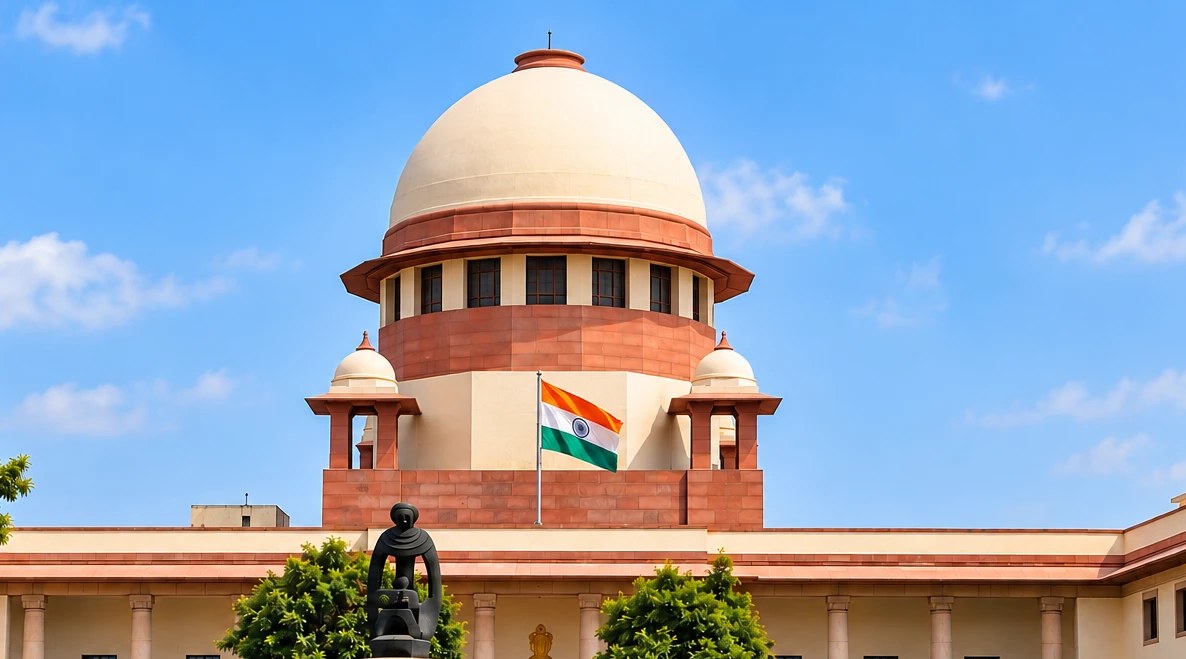
The Supreme Court held that the 1995 disabilities law requires reservation for persons with disabilities in promotion as well as at entry, computed on all vacancies in the cadre, and that the government cannot use non-identification of posts to defeat it. A Kerala employee appointed on compassionate grounds, not in the PwD quota, could not be denied this benefit, and the State was directed to implement it within three months (paras 14-15, 19-20, 27, 29).
The Rajasthan High Court dismissed a life convict's writ petition seeking amendment of Rule 10B of the Rajasthan Prisoners Release on Parole Rules, 1958 so that prisoners on emergent parole would also get the Covid-19 extension of parole to 30.06.2021. The Division Bench held that regular parole under Rule 9 and emergent parole under Rule 10A rest on distinct criteria, so the two classes are not similarly placed and Rule 10B is not discriminatory (paras 16-17). It also declined to direct amendment of a statutory rule (paras 19-21).

The Rajasthan High Court quashed the ICAI Examination Committee’s decision cancelling a CA Intermediate candidate’s result over a pre-examination e-mail to its office bearers urging online exams during the pandemic. Regulation 41 of the Chartered Accountants Regulations, 1988 reaches only disorderly behaviour in or near an examination hall or unfair means, and the e-mail had no such nexus. The notice never proposed cancellation; the action was arbitrary and against natural justice (paras 53-54, 57-61).