

The Supreme Court acquitted Firdoskhan, said to have fled when 2 kg 30 g of heroin was seized at Kheda bus stand in 2003. His name surfaced only in the co-accused's Section 67 statement, inadmissible after Tofan Singh and doubtful in the way it was recorded, and an NCB officer identified him for the first time in court over two years later (paras 24-30). The co-accused caught with the bag stayed convicted (para 33).
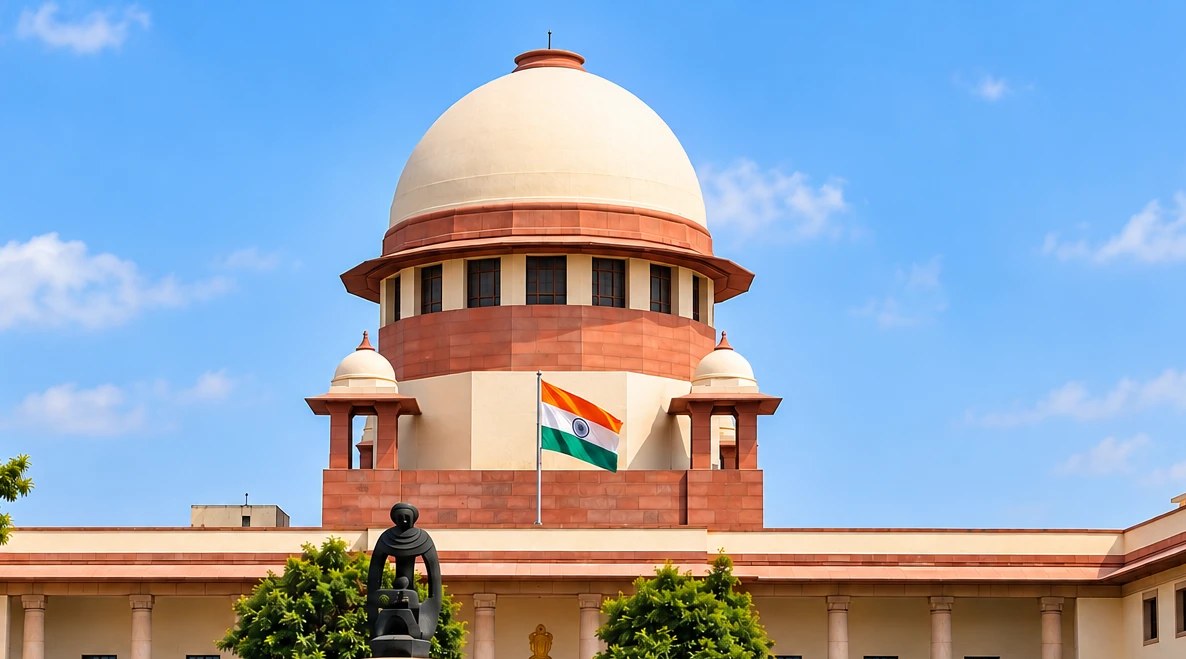
The Supreme Court refused to order paper ballots, VVPAT slips in voters' hands or the counting of every VVPAT slip, finding that the safeguards and data on EVMs gave no basis for the suspicion raised. The voter's right to know that the vote is recorded and counted is not a right to 100% slip counting. It added two safeguards: sealed symbol loading units and engineer checks of burnt memory on request (Khanna J., paras 69, 72, 76).

The Delhi High Court granted bail to an applicant accused under Section 18 of the NDPS Act of carrying 2.330 kg of opium, refusing prima facie to add a co-accused's 3.086 kg (paras 1-4, 20). No Section 29 conspiracy was alleged (para 19). The intermediate quantity kept Section 37 out, but bail still turned on the ordinary parameters: a pending FSL report, no charges framed and custody since 26.12.2022 (paras 21-25).

The Rajasthan High Court acquitted a man jailed for life for his brother’s murder, holding that the circumstantial evidence failed the Sharad Birdhichand Sarda tests (paras 117, 120). Being seen strolling outside the deceased’s house the night before is not ‘last seen’ evidence (paras 75, 84), an admission made in police custody is not an extra-judicial confession (para 90), and strained relations raise suspicion, not proof of motive (para 95).

The Rajasthan High Court held that the authorities could not, for no plausible reason, drop the one Lecturer, Music (Vocal) post reserved for blind or low-vision candidates while keeping similar reservations for other posts (para 8). A vocal-music teacher needs his vocal cords, not his sight, the Court said (paras 6-7). It allowed a visually impaired teacher's writ petition and directed that his sealed result be opened and acted on, if he is found meritorious (paras 9-11).

The Rajasthan High Court set aside an appellate judgment that had acquitted a cheque drawer only because the complaint under Section 138 of the Negotiable Instruments Act was filed before the fifteen-day payment period expired. Following Yogendra Pratap Singh v. Savitri Pandey and Gajanand Burange v. Laxmi Chand Goyal, it held that such a complaint cannot be taken cognizance of, but the payee may file a fresh complaint, with the delay treated as condoned (paras 13-14, 21).
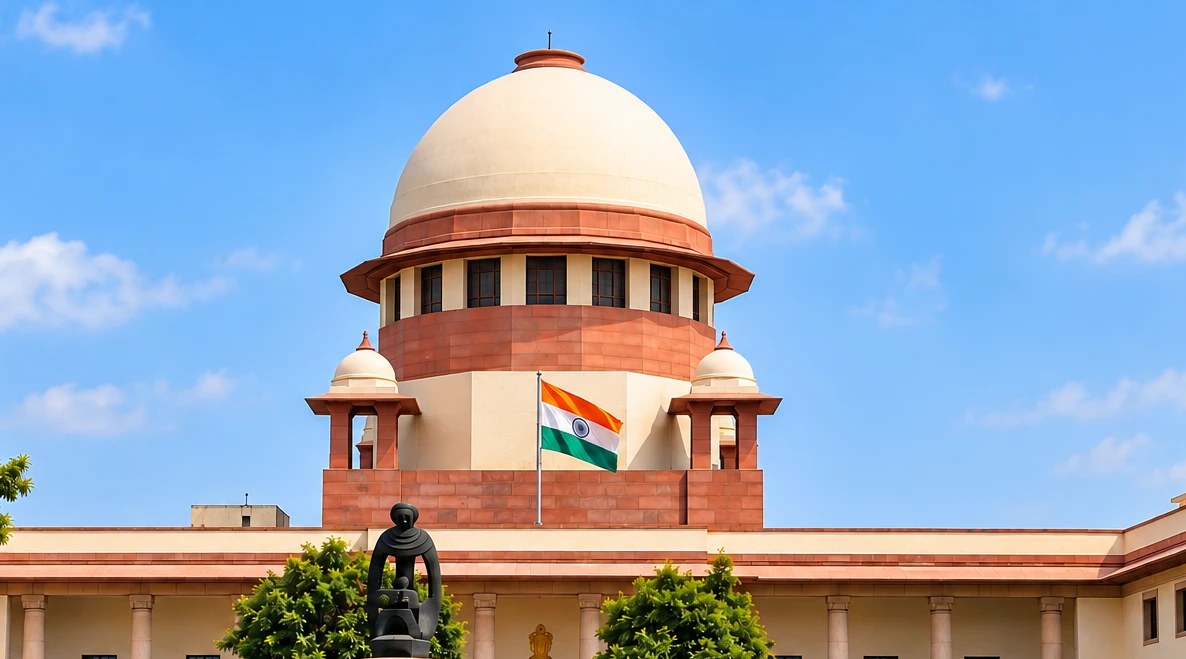
The Supreme Court quashed item 6 of Appendix-IX to the 2006 EC notification, which exempted the extraction of ordinary earth for linear projects such as roads and pipelines from prior environmental clearance, both as notified on 28.03.2020 and as amended on 30.08.2023. The Centre had dispensed with public objections without showing any public interest, and the exemption fixed no quantity, area or process, making it unguided and arbitrary (paras 23, 25, 32).
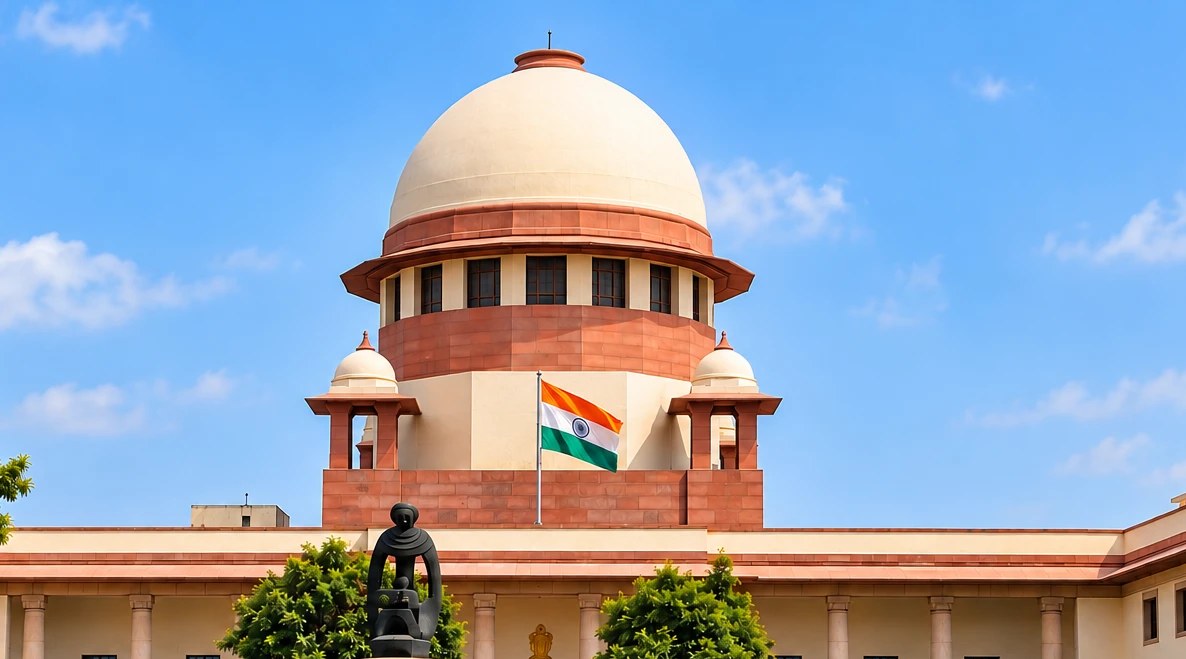
The Supreme Court held that people have a right to be free from the adverse effects of climate change, recognised by Articles 14 and 21. Balancing protection of the critically endangered Great Indian Bustard against India's solar power commitments, it recalled its 2021 blanket direction to put power lines underground and set up an Expert Committee to decide what is feasible in priority areas (paras 24, 27, 62-68).

The Rajasthan High Court upheld a man's conviction for the rape and murder of a child under the POCSO Act and Section 302 IPC, holding that the last-seen evidence, the recovery of her clothes at his instance and a DNA report formed a complete chain (paras 28-30). It declined to confirm his death sentence: aged 24, poor and without criminal antecedents, he was not a rarest-of-rare case, so the sentence was commuted to 30 years' imprisonment without parole or premature release (paras 34-36).

The Rajasthan High Court held that a married daughter of a deceased government employee cannot be denied compassionate appointment on the ground of her marriage, as long as she is otherwise entitled to it (para 8). Her claim had been rejected because the deceased's son was available, under a notification of 28.10.2021 (paras 1, 3). As her brother never joined the post and gave a no-objection (paras 5, 9), the Court set aside the rejections and directed a fresh decision (para 10).
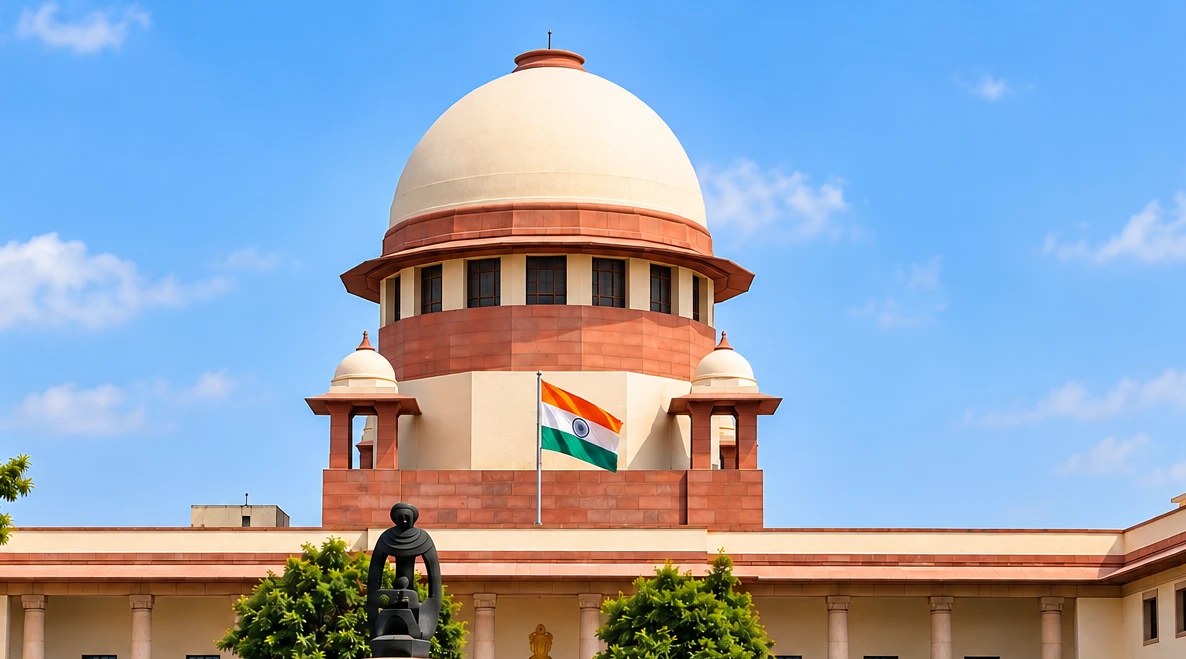
Upholding the conviction of Navas for murdering four members of a family, the Supreme Court reduced the period he must serve before remission can be considered from 30 to 25 years. Surveying 27 cases applying Swamy Shraddananda and V. Sriharan, it set out illustrative aggravating and mitigating factors for fixing such sentences, noting his youth, the absence of any motive for gain and his good jail conduct (paras 55-60).
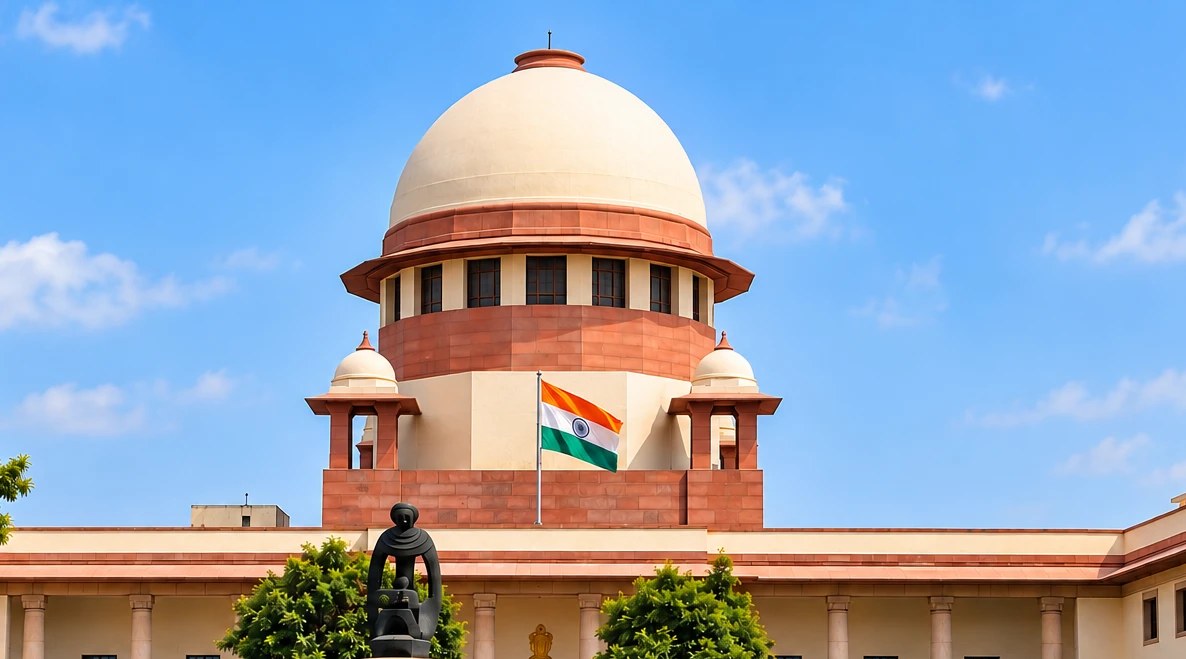
The Supreme Court laid down guidelines for courts hearing habeas corpus and police protection petitions by intimate partners, friends and LGBTQ+ persons. Such cases must be listed with priority, the person must be heard in chambers away from the alleged detainers and released at once if unwilling to return, and courts must not direct counselling or parental care. The appeal was disposed of after a judicial officer found the woman living with her parents of her own volition (paras 9, 16-18).