

The Rajasthan High Court quashed an order declaring a selected Constable candidate ineligible over a criminal case from his time as a juvenile. The Juvenile Justice Board had convicted him but, under Section 24 of the Juvenile Justice Act, 2015, removed the disqualification and ordered the record destroyed, so his ‘No’ to the criminal-case question was not concealment (paras 10, 18). The Court restrained the State from seeking such information and directed his appointment if otherwise eligible and in merit (paras 20-21).

The Rajasthan High Court held that a candidate with a spinal deformity, which the Centre's notification of 24.08.2022 places under locomotor disability, could not be kept out of the disabled category in the Ayurved Medical Officer recruitment of 2023. The State's order of 04.04.2023 ignored that amendment and "cannot be countenanced" (paras 5-8). The petition was allowed, and Rs. 50,000 costs were imposed on the State for forcing her to litigate a settled point (paras 9-10).

The Rajasthan High Court held that a husband who is a co-accused under trial for his wife's murder is ineligible to claim benefits arising from her death, though she had named him as the beneficiary in her service record (paras 7-8). It directed the department to work out her service benefits in all legal heirs' admissible shares, withhold the father's share and pay the children theirs, with interest, within four months (paras 8-11).

The Rajasthan High Court dismissed a writ petition by a candidate in the Specially Abled category whose application was rejected after a Medical Board constituted by the Recruitment Agency assessed his disability at 18 to 20%, against the 48% certified by a Chief Medical & Health Officer (paras 1-5). The certificate named neither the physician nor his specialty, and the Court would not sit in appeal over the specialists' opinion without mala fides (paras 8-10).
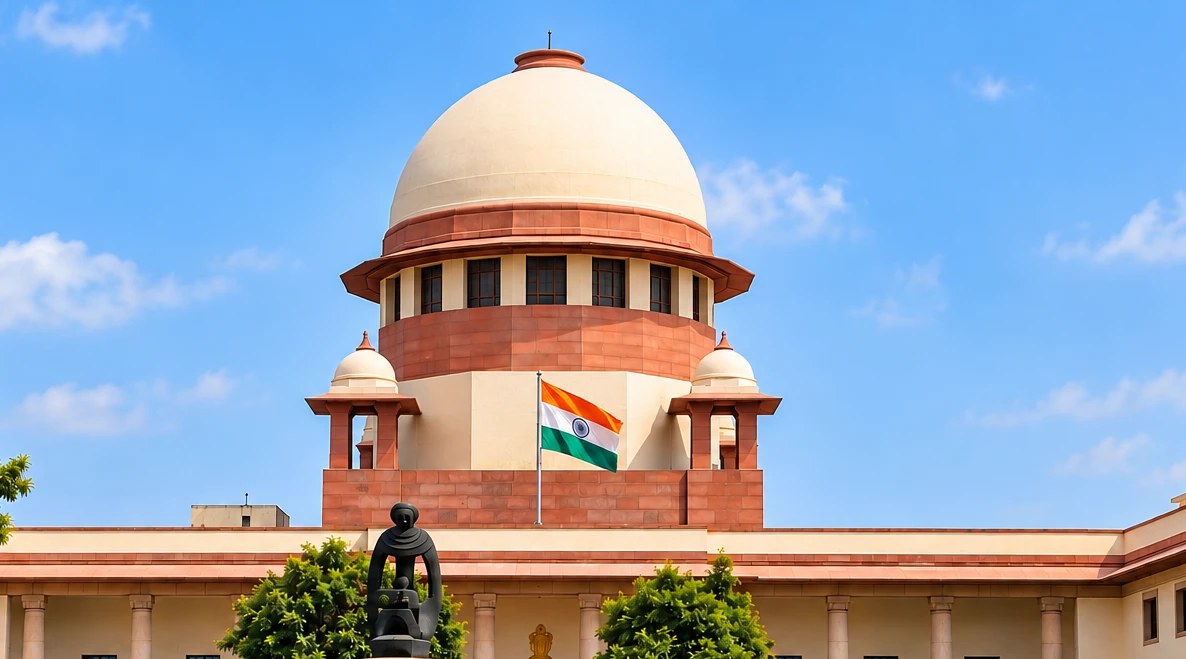
The Supreme Court quashed the State of Gujarat's orders of 10 August 2022 remitting the life sentences of eleven men convicted of gang rape and murder during the 2002 Gujarat riots. As the trial was held in Mumbai, only Maharashtra was the appropriate Government under Section 432(7) CrPC. The Court also held its own order of 13 May 2022 a nullity obtained by suppressing facts, and sent the convicts back to jail (paras 33, 41, 56, 70).
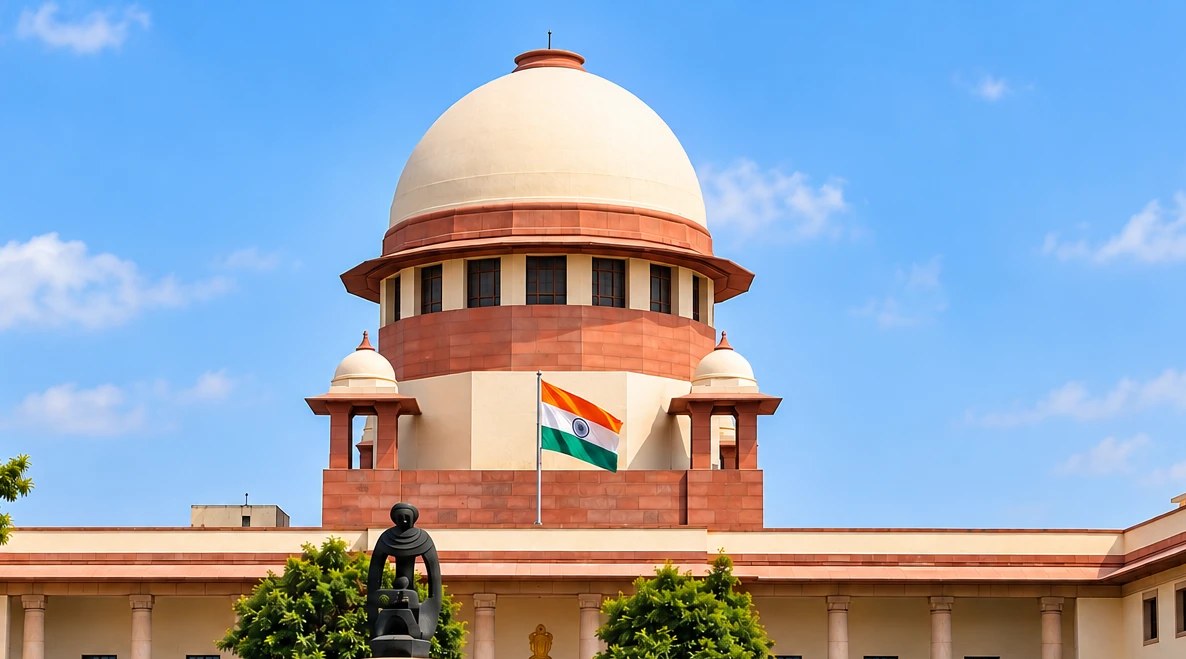
In petitions that followed the Hindenburg Research report, the Supreme Court refused to transfer SEBI's investigation into the Adani group to an SIT or the CBI, finding no glaring, wilful and deliberate inaction by the regulator (para 67). It declined to direct SEBI to revoke amendments to its FPI and LODR Regulations, rejected the conflict-of-interest allegations against the Expert Committee, and directed SEBI to complete the two pending investigations, preferably within three months (para 67).
The Rajasthan High Court held that Section 357A CrPC and the Rajasthan Victim Compensation Scheme, 2011 apply to crimes committed before they came into force. Following the Kerala, Calcutta and Karnataka High Courts, it directed payment of Rs 3,00,000 to a minor rape victim, after adjusting the amount she had already received, within three months (paras 19, 21, 23-24). It also issued a general mandamus for minor rape victims of incidents before 2009 who had applied before the amendment (para 25).

The Rajasthan High Court held that a widowed daughter-in-law falls within ‘dependent’ under Rule 2(c) of the Rajasthan Compassionate Appointment of Dependents of Deceased Government Servants Rules, 1996, read purposively as part of ‘widowed daughter’ (paras 20, 25). Following its Division Bench ruling in Sushila Devi, which the Supreme Court left undisturbed, it allowed a widow's special appeal, rejected the plea of delay and ordered her compassionate appointment within three months, with prospective benefits (paras 19, 29-30).

The Rajasthan High Court held that a bank employee who left service on medical grounds after 26 years could not lose his pension because, on the Bank's own advice, his application used the word ‘resignation’ instead of ‘retirement’ (paras 12-13.2). The compassionate-appointment Circular No. PER/48/83 required no resignation (paras 8, 10). Reading the term purposively, the Division Bench quashed the order of 19.01.2000 and directed full pensionary benefits to his legal representatives within three months (paras 13.1, 16).
A Division Bench of the Rajasthan High Court dismissed two special appeals by NEET (UG)-2023 candidates with disabilities whom designated Disability Assessment Boards had declared ineligible for the undergraduate medical course (paras 2, 14, 60). Holding that the 2019 amendments to the Graduate Medical Education Regulations make eligibility, beyond the percentage of disability, a matter for those Boards, the Court declined to sit in appeal over the experts' opinion or to order a fresh examination (paras 39, 41, 45).

The Supreme Court dismissed, with costs of Rs. 1 lakh, a former Deputy Secretary's appeal against refusal of bail in a money-laundering case (paras 2, 30). The first proviso to Section 45 of the PMLA, which allows bail to a woman, is discretionary and "could not be construed as a mandatory or obligatory on the part of the Court to release them" (para 24). The Court also strongly deprecated misstatements made in the special leave petition (paras 12, 15).
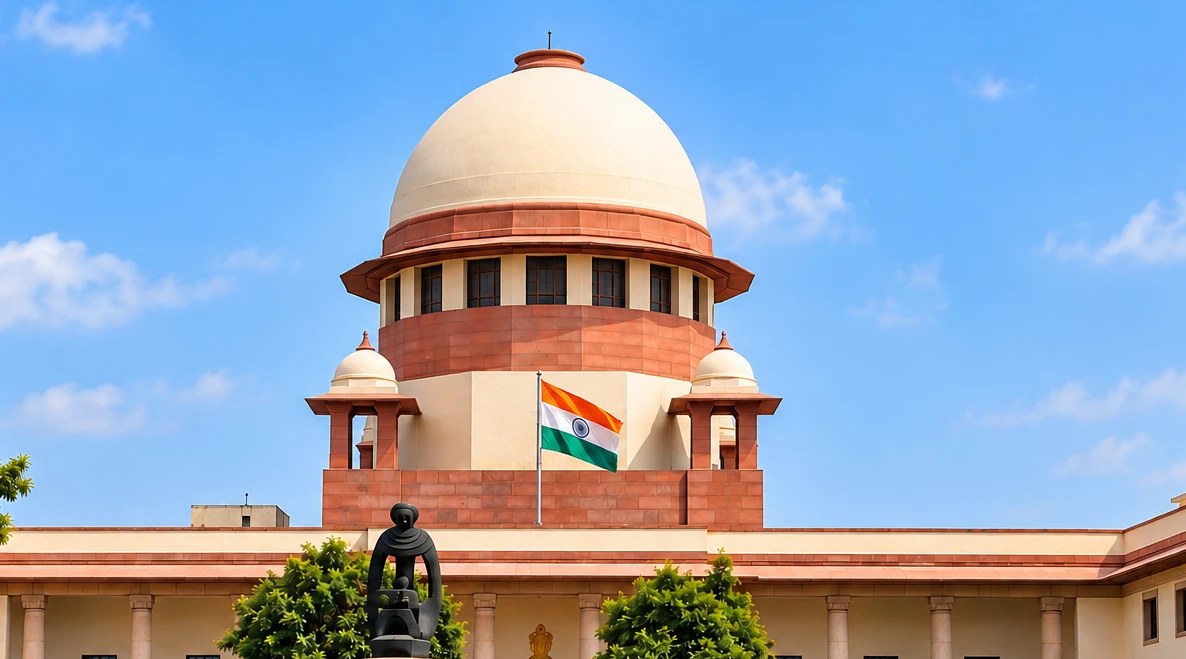
A seven-Judge Bench held that an unstamped or insufficiently stamped agreement is inadmissible in evidence under Section 35 of the Stamp Act but not void, and that non-stamping is a curable defect. Courts acting under Sections 8 and 11 of the Arbitration Act only check whether an arbitration agreement prima facie exists; stamp objections are for the arbitral tribunal. N N Global 2 and SMS Tea Estates were overruled (Chandrachud CJI, para 224).