
Code of Criminal Procedure, 1973
Also known as CrPC.
Explained in Our Guides
- Guide Bail for Long Custody and Trial Delay: Article 21, Section 436-A and Special Statutes
- Guide Cancellation of Bail: Grounds, Parity and When Courts Set Aside a Bail Order
- Guide Quashing Criminal Cases Under Section 482 CrPC and Section 528 BNSS: When Courts Intervene
- Guide Appeal Against Acquittal: When Can an Appellate Court Reverse an Acquittal?
Sections
Key Judgments
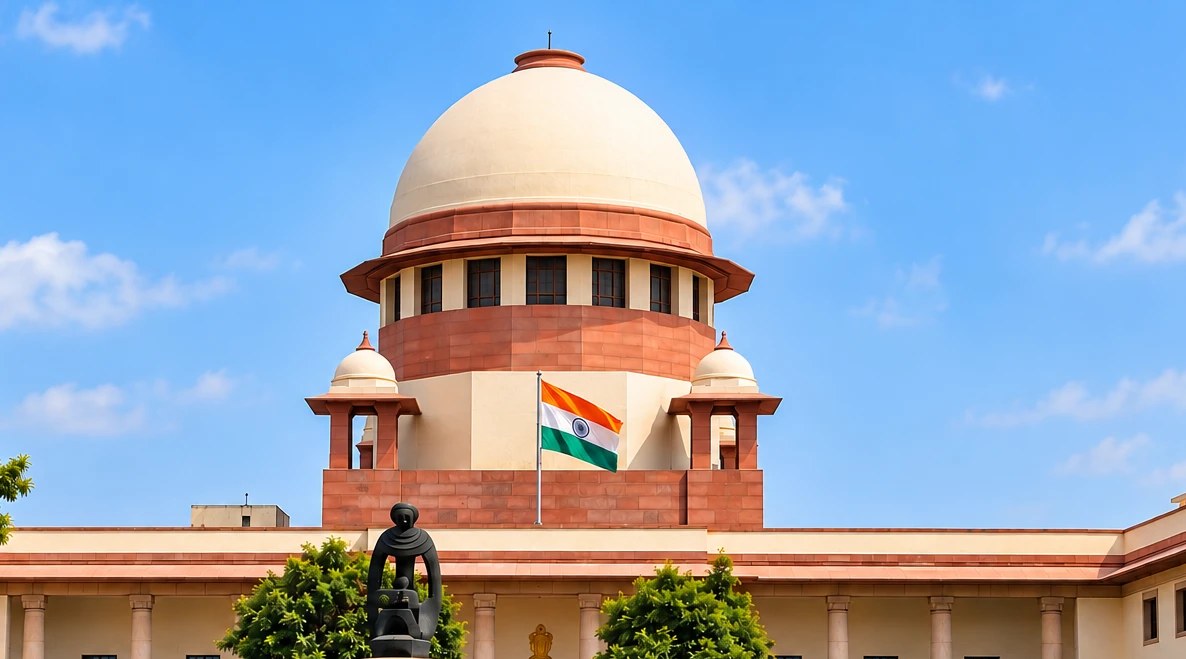
A three-Judge Bench rejected the challenges to the arrest powers under the Customs Act and the GST Acts, holding Sections 69 and 70 of the GST Acts within Parliament's power under Article 246-A. The Arvind Kejriwal safeguards apply: arrests need recorded reasons to believe based on material, written grounds of arrest and the Code's protections, and anticipatory bail is available even before an FIR (Khanna CJI, paras 46, 60, 70, 75, 77).

The Rajasthan High Court granted bail to a man held for 24.75 grams of a substance the seizure officer took to be MDA, after the FSL found methamphetamine, whose commercial quantity is 50 grams. A seizure officer is not an expert under Section 45 of the Evidence Act, the Court said, and it directed the DGP to ensure FSL reports are obtained, preferably within 60 days (paras 6, 10-12).
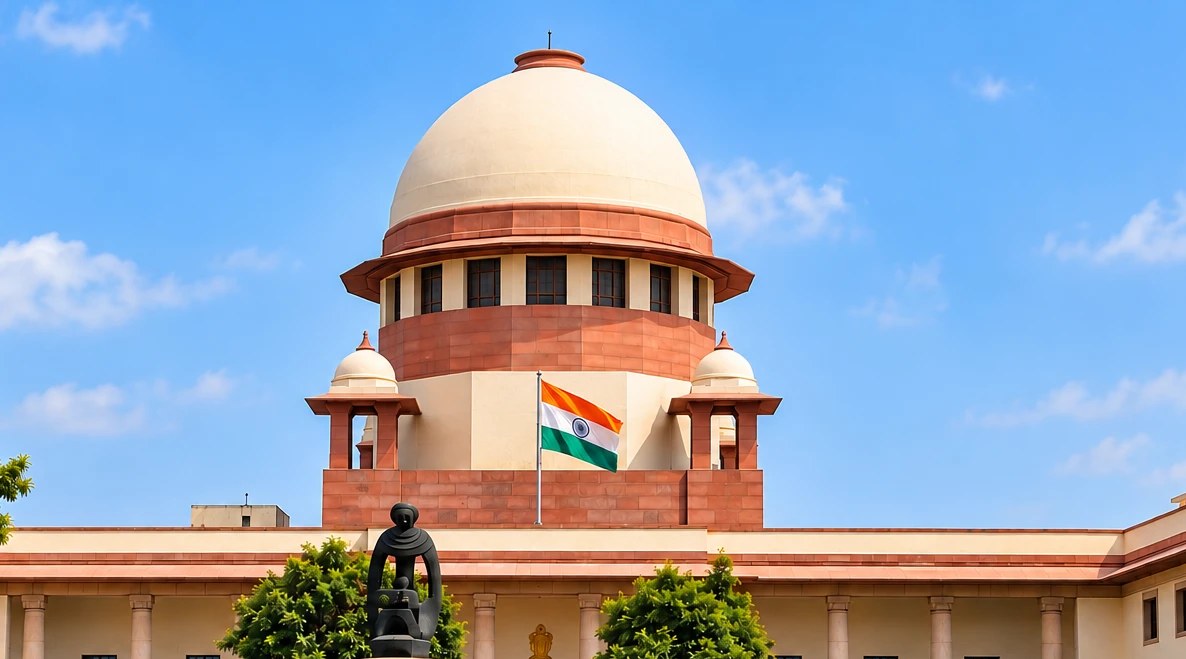
Answering a reference, a three-Judge Bench of the Supreme Court held that a spouse whose marriage is declared void under Section 11 of the Hindu Marriage Act, 1955 may seek permanent alimony under Section 25, and that a court may grant maintenance pendente lite under Section 24 even if it prima facie finds the marriage void. Both reliefs are discretionary and depend on the parties' conduct. The Court also condemned the terms 'illegitimate wife' and 'faithful mistress' (paras 24, 28).
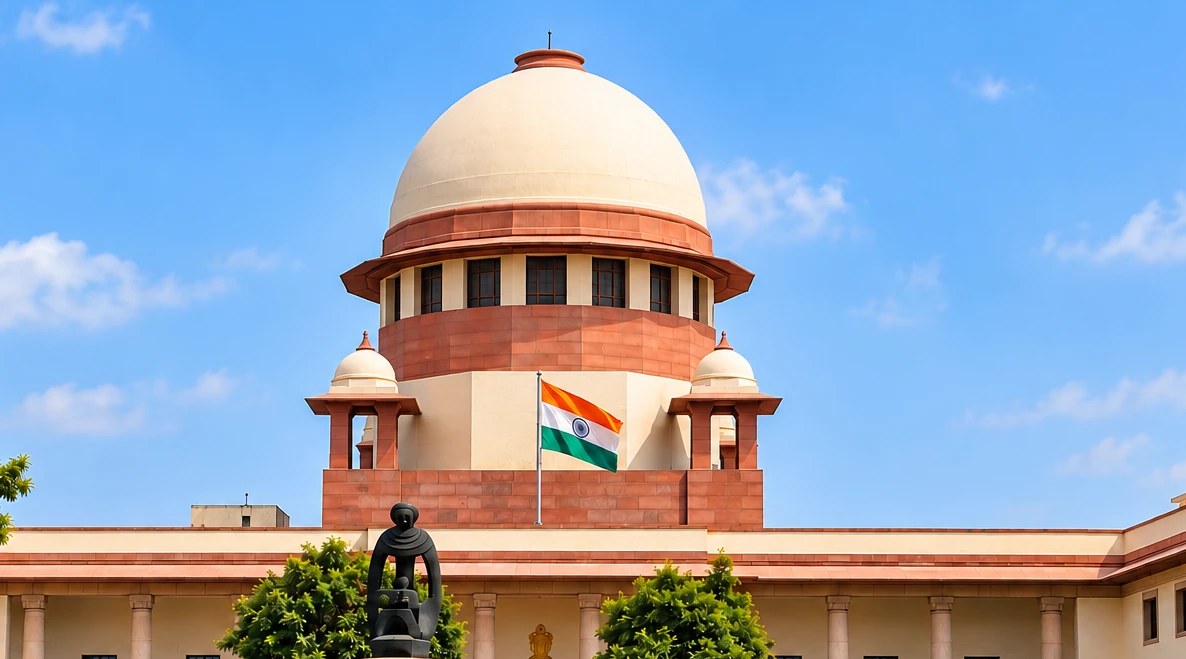
The Supreme Court held that informing an arrested person of the grounds of arrest is a mandatory requirement of Article 22(1). Failure vitiates the arrest and every remand order after it, and a later charge sheet cannot cure it. Telling the accused's wife, a remand report or a vague case-diary entry is no compliance. It ordered Vihaan Kumar's release and condemned his being chained to a hospital bed (paras 21, 24-29, 33).
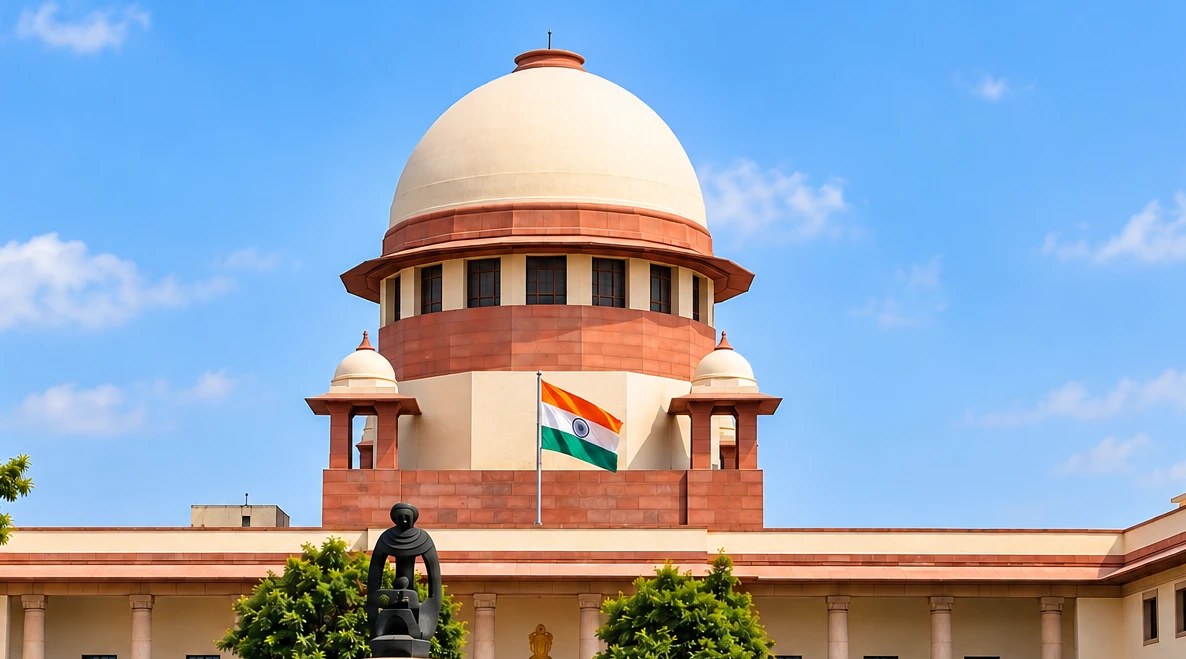
The Supreme Court quashed wrongful confinement, trafficking and conspiracy charges against a DRDO scientist who had employed a domestic worker through a placement agency, finding no prima facie case, and upheld the discharge of his neighbour who held the house key. Noting the legal vacuum for domestic workers, it invoked Article 142 and directed four Union Ministries to set up an expert committee to consider a legal framework, with a report hoped for within six months (paras 29, 36, 41, 55).

The Rajasthan High Court set aside a Special Judge's refusal to have a fresh sample of seized MDMA tested. The accused said the sample sent to the laboratory did not come from the contraband in the maalkhana; holding that a fair trial includes verifying such evidence, the Court directed a Magistrate to draw 10 grams from the remaining 380 grams for the FSL, which must report within 30 days (paras 13, 21, 27-28).
The Supreme Court held that a husband's decree for restitution of conjugal rights, and the wife's non-compliance with it, do not by themselves attract the disqualification in Section 125(4) CrPC. Whether she still had sufficient reason to refuse to live with him must be decided on the evidence in each case, and the findings in the restitution suit do not bind the court hearing the maintenance petition (paras 29-31).

The Supreme Court held that the NDPS Act does not bar the interim return of a seized vehicle, so the trial court may release it under Sections 451 and 457 CrPC read with Section 51 of the Act (paras 22-23). Where the charge-sheet makes no allegation against the owner or his agent, the vehicle should normally be released on superdari against a bond (para 30).

The Supreme Court quashed Section 58 NDPS proceedings that a Kurukshetra Special Judge began against former SP Bharti Arora after an opium trial. An offence under Section 58, punishable with at most two years, must be tried summarily by a Magistrate under Section 36-A(5); the findings against her were recorded without notice, ignored the good-faith protection in Section 69, and the sealed-cover order was rushed through in breach of natural justice (paras 21-40).
The Rajasthan High Court held that an order framing charge is neither interlocutory nor final, so the bar in Section 397(2) Cr.P.C. does not apply and a revision against it is maintainable (paras 9-11). But because the High Court and the Sessions Court share revisional jurisdiction, the accused should first approach the Sessions Court unless special circumstances exist (paras 16-18). The petition was dismissed with liberty to go to the Sessions Court (para 20).

The Supreme Court held that a direction to pay a fine "is also a sentence" that the appellate court may suspend under Section 389(1) CrPC, with or without conditions (paras 5-6, 8). It refused to disturb a Delhi High Court order of 2016 suspending the sentence of a convict in a CBI corruption case, treating his deposit of Rs. 15 lakh as the condition for suspending a fine of Rs. 95 lakh (paras 1, 7, 10).
The Rajasthan High Court set aside the convictions and 14-year sentences of two men in a tramadol tablet case, holding that samples drawn at the spot without a Magistrate, in admitted breach of Section 52A of the NDPS Act, were enough to discard the prosecution case. The absence of independent search witnesses and a delay in sending samples to the FSL added to the doubt (paras 12, 16-21).