
Judgment Intelligence
Disposed Of- Court
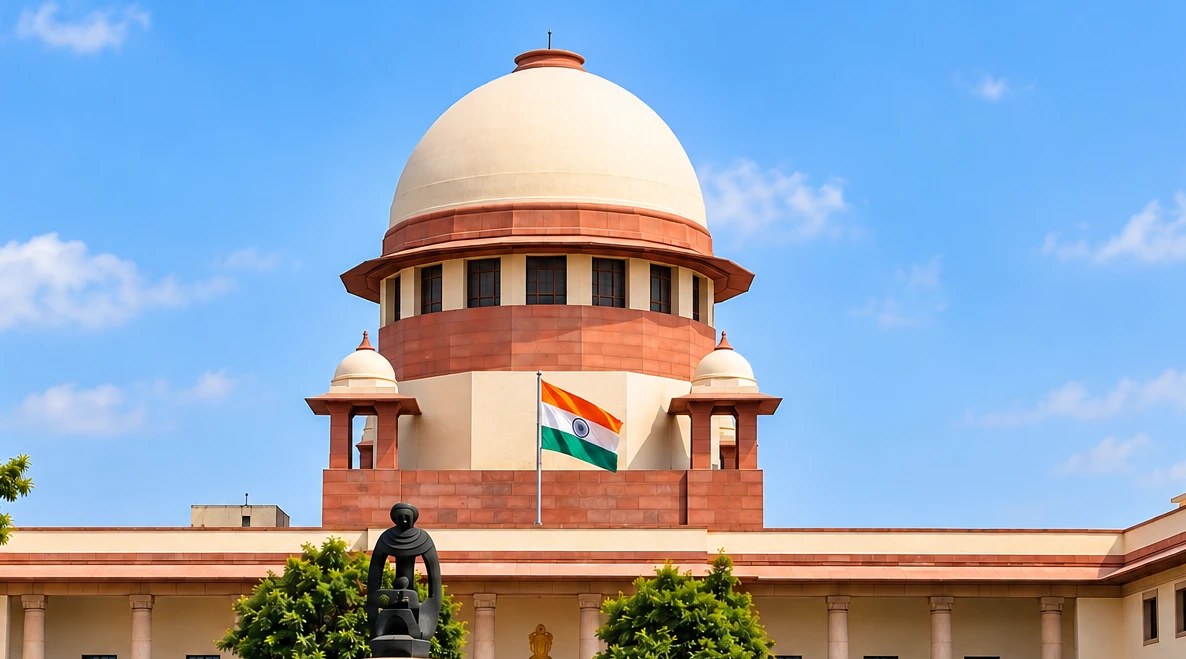
- Supreme Court of India
- Date of Decision
- 29 January 2025
- Bench
- Justice Surya Kant and Justice Ujjal Bhuyan
- Relevant Acts & Sections
- Indian Penal Code, 1860 - Sections 120B, 343 and 370; Code of Criminal Procedure, 1973 - Sections 227, 320 and 482; Constitution of India - Article 142
Appeals disposed of: Ajay Malik's appeal allowed and all proceedings against him quashed; the State's appeal against Ashok Kumar's discharge dismissed; proceedings against the other accused unaffected; an expert committee on domestic workers' rights directed (paras 55-56).
Source Supreme Court of India, www.sci.gov.in — judgment dated 29.01.2025
Key holdings
- Wrongful confinement needs restraint within circumscribed limits; here an available alternative exit undercut the charge (paras 12, 14-15).
- A conspiracy charge needs proof of an agreement to commit an offence, not mere hiring through an agency (paras 22-24).
- Trafficking under Section 370 IPC is non-compoundable under Section 320 CrPC (para 31).
- Discharge under Section 227 CrPC is proper where the record shows no prima facie case (paras 34, 36).
- The Union was directed to form an expert committee on a legal framework for domestic workers (para 55).
Case explainer by NyayVidhan: an account of this judgment and the law it laid down, not the court's text. The judgment itself is the authoritative version.
Brief Facts
Court's Findings
Legal Principle
Precedents Relied Upon
- State of Haryana v. Bhajan Lal 1992 Supp. (1) SCC 335
The settled grounds on which criminal proceedings may be quashed at the threshold.
- State of Kerala v. P. Sugathan and Anr. (2000) 8 SCC 203
An agreement to commit an offence is the principal ingredient of criminal conspiracy.
- Ram Narayan Popli v. CBI (2003) 3 SCC 641
Conspiracy cannot be made out without some physical manifestation of the alleged agreement.
View all precedents (4)
- Vishaka v. State of Rajasthan AIR 1997 SC 3011
This Court has laid down interim guidelines to protect vulnerable groups left unprotected by legal gaps.