
Food Safety and Standards Act, 2006
Also known as FSS Act.
About the FSS Act
The Food Safety and Standards Act, 2006 repealed the Prevention of Food Adulteration Act, 1954 and is a comprehensive legislation regulating food safety (In Re Public Health (Food Adulteration) v. Union of India, para 8). As Section 22 allows genetically modified food only as provided by regulations, no GM food may be approved before those regulations are framed (Kritesh Oswal v. Union of India, 2025:RJ-JP:31237-DB, paras 40-45, 52). Immediate suspension of a food licence under the proviso to Section 32(3) exists to protect public health and must be revoked once a re-inspection shows the deficiencies cured (Hotel Alankar v. State of Maharashtra, 2026:BHC-KOL:8650-DB, paras 22, 29-30).
Key Judgments
The Delhi High Court dismissed a petition by P B Agro LLP, master licensee of the "VIMAL" brand, against a show cause notice issued by the Food and Drug Administration, Mumbai, to its brand ambassadors, holding that no substantial part of the cause of action arose in Delhi (paras 1, 42-44). Maharashtra's courts were also the more convenient forum; the merits were left open (paras 43-44).

The Bombay High Court at Kolhapur restored a hotel's food licence, holding that a suspension imposed forthwith to protect public health cannot continue once a re-inspection scores the establishment 97%, ‘exemplar’ on the authorities' own grading (paras 17, 30). The appellate authority had not considered the re-inspection report, and other breaches attract penalties under Sections 55 and 63, not continued suspension (paras 21, 29).

A Division Bench of the Rajasthan High Court held that no authority may approve the manufacture, sale, distribution or import of genetically modified (GM) food until regulations are framed under Section 22 of the Food Safety and Standards Act, 2006 (paras 46-47, 52). Finding that the regulatory vacuum violates the right to safe food under Article 21, it directed FSSAI and the Union to frame them, preferably within six months, and required ‘GM free’ certification for food imports (paras 43, 63).
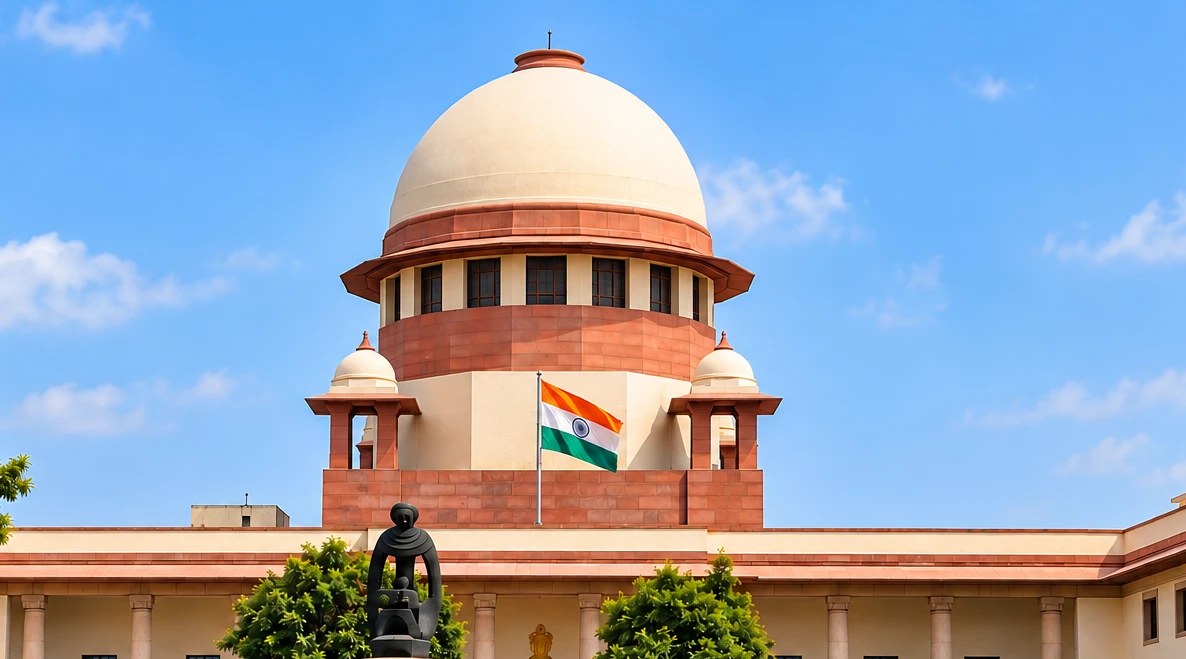
A two-judge Bench split on the 2022 approval for environmental release of genetically modified mustard DMH-11. Justice Nagarathna held it vitiated for want of reasons and contrary to the precautionary principle and the public trust doctrine; Justice Karol upheld it as an expert decision bound by strict conditions. Agreeing that such decisions are open to judicial review, the Bench directed a National Policy on GM crops and sent the DMH-11 question to the Chief Justice (Order, paras 1-3).
Finding food laws descriptive but poorly implemented, a single judge of the Rajasthan High Court took suo motu cognizance of food adulteration on 01.07.2024 (paras 12, 14) and issued interim directions on sampling, laboratories, review committees, complaints and public awareness (para 15). On 05.08.2024 a Division Bench found those directions final in nature and discontinued them. The petition, since widened to milk adulteration and effluent treatment, was pending in October 2026.