Join our WhatsApp Group
Latest
Wednesday, October 14, 2026
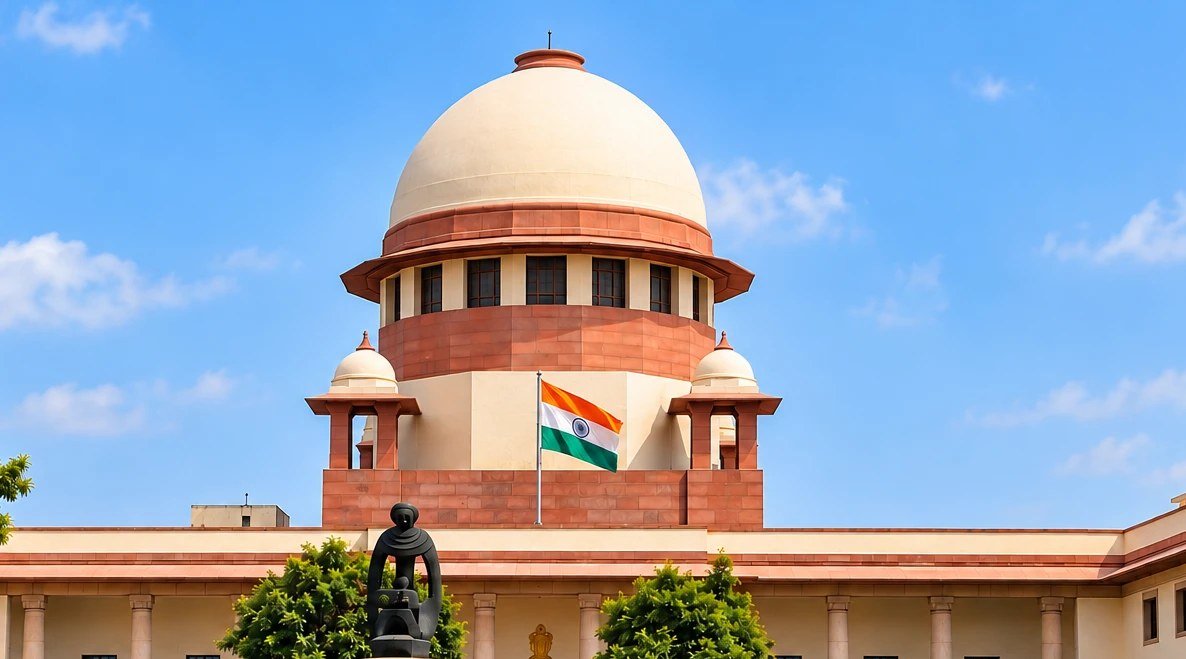
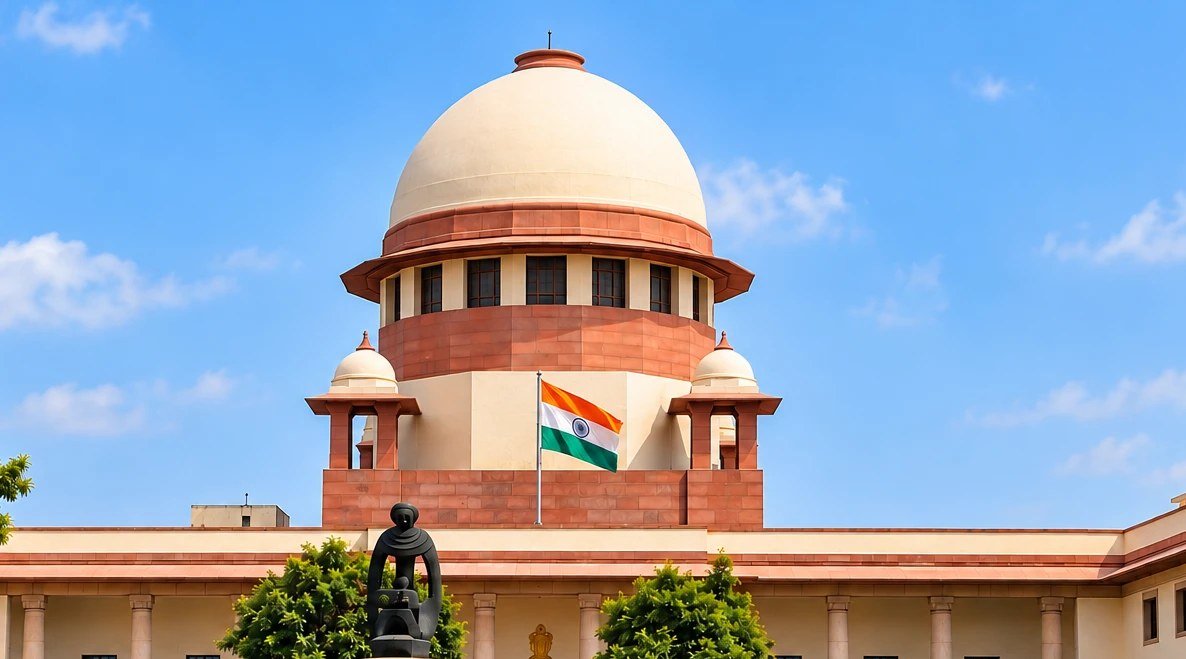
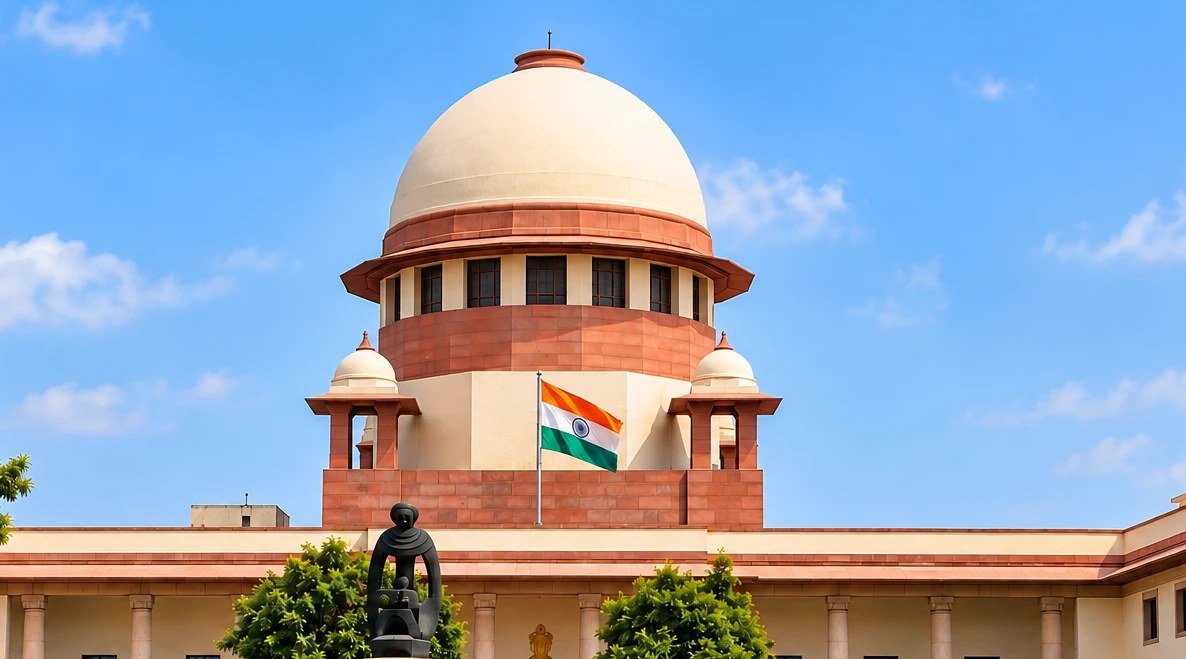
Supreme Court of India
NDPS Act

Sanjeev Deshpande Applies Retrospectively: Supreme Court Restores NDPS Trials Over Buprenorphine, Bars Discharge Under Section 216

Published: · NyayVidhan

The Supreme Court held that dealing in a psychotropic substance listed in the Schedule to the NDPS Act is an offence under Section 8(c) even if it is not in Schedule I of the NDPS Rules, and that Sanjeev V. Deshpande, which settled this in 2014, applies retrospectively to pending cases. Once a charge is framed, Section 216 CrPC cannot be used to delete it or discharge the accused. Two buprenorphine prosecutions go back for trial (paras 156-163).

Sanjeev Deshpande Applies Retrospectively: Supreme Court Restores NDPS Trials Over Buprenorphine, Bars Discharge Under Section 216

Judgment Intelligence

Petition Allowed
Directorate of Revenue Intelligence v. Raj Kumar Arora & Ors.
2025 INSC 498
Criminal Appeal No. 1319 of 2013 with Criminal Appeal No. 272 of 2014; reported as [2025] 4 S.C.R. 835
Court
Supreme Court of India
Date of Decision
17 April 2025
Bench
Justice J.B. Pardiwala and Justice Manoj Misra
Relevant Acts & Sections
Narcotic Drugs and Psychotropic Substances Act, 1985 - Sections 2(xxiii), 8(c), 9, 22, 29, 76 and 80; Narcotic Drugs and Psychotropic Substances Rules, 1985 - Rules 53, 64, 65, 66, 67 and 67A; Drugs and Cosmetics Act, 1940; Code of Criminal Procedure, 1973 - Sections 216, 227 and 228; Constitution of India - Article 20(1)
Final Outcome

Both appeals allowed and the Delhi High Court's orders set aside; the accused, who were discharged rather than acquitted, are to be tried by the Special Judge (NDPS) and the trials concluded expeditiously; a copy of the judgment is to go to all High Courts (paras 161-164).

Source Supreme Court of India, www.sci.gov.in — judgment dated 17.04.2025

Key holdings

  1. Substances listed only in the Act's Schedule are covered by Section 8(c) (paras 90, 156).
  2. The NDPS regime applies in addition to the Drugs and Cosmetics Act (paras 86-90, 157).
  3. Sanjeev V. Deshpande applies retrospectively without breaching Article 20(1) (paras 123, 158-159).
  4. Final acquittals based on Rajesh Kumar Gupta are not reopened (paras 137, 160).
  5. Section 216 CrPC permits altering or adding charges, not deleting them or discharging the accused (paras 151-155).

Case explainer by NyayVidhan: an account of this judgment and the law it laid down, not the court's text. The judgment itself is the authoritative version.

Brief Facts

In the lead appeal, DRI officers seized 40,000 unlabelled ampoules and one labelled ampoule of buprenorphine hydrochloride from a Delhi office on 27.09.2003, and charges under Sections 22 and 29 of the NDPS Act were framed in February 2005 (paras 3-4, 11). In the connected appeal, the accused allegedly sold 2,50,400 buprenorphine injections without a consignment note, and a Section 22(c) charge was framed (paras 18-19). Relying on Rajesh Kumar Gupta, the Special Judges then allowed applications under Section 216 CrPC, held that no NDPS offence arose because buprenorphine is not in Schedule I of the Rules, and sent both cases to a Magistrate under the Drugs and Cosmetics Act; the Delhi High Court upheld both orders (paras 15-16, 21-22).

Court's Findings

Section 2(xxiii) makes every substance in the Schedule to the Act a psychotropic substance, and Section 8(c) permits dealing only if three conditions are met together: a medical or scientific purpose, compliance with the Act, Rules and orders, and the terms of any licence (paras 52-56, 90). The Rules, framed under Sections 9 and 76, regulate rather than prohibit and cannot narrow Section 8; Rules 53 and 64 do not govern Chapters VI and VII (paras 59-69, 156). Following Sanjeev V. Deshpande, which overruled Rajesh Kumar Gupta, the NDPS regime applies in addition to the Drugs and Cosmetics Act under Section 80 (paras 78-90, 157). An overruling decision is retrospective by default, prospective overruling must be express, and there was no overwhelming reason to invoke it (paras 91-123). Retrospective application does not offend Article 20(1), as Deshpande only declared what the law always was and created no new offence (paras 124-136, 159). Final acquittals based on Rajesh Kumar Gupta stay undisturbed (paras 137, 160). Section 216 allows only alteration or addition of charges, so once a charge is framed under Section 228 the accused cannot be discharged; the trial courts had in effect deleted the NDPS charges (paras 142-155).

Legal Principle

Dealing in any psychotropic substance in the Schedule to the NDPS Act, even one absent from Schedule I of the NDPS Rules, is an offence under Section 8(c) unless every condition of the exception is met. Sanjeev V. Deshpande applies retrospectively, and after a charge is framed Section 216 CrPC cannot delete it or discharge the accused (paras 90, 154-159).

Precedents Relied Upon

  1. Union of India and Another v. Sanjeev V. Deshpande (2014) 13 SCC 1
    Followed Discussed at ¶ 78, 80, 85, 88, 123, 158, 159

    Dealing in a psychotropic substance in the Schedule to the NDPS Act is prohibited by Section 8(c) even if it is not in Schedule I of the Rules; overruled Rajesh Kumar Gupta.

  2. State of Uttranchal v. Rajesh Kumar Gupta (2007) 1 SCC 355
    Referred To Discussed at ¶ 16, 74, 75, 80, 137, 160

    Had held that Section 8 does not apply to a drug not mentioned in Schedule I of the NDPS Rules; overruled in Sanjeev V. Deshpande, but final acquittals based on it are not reopened.

  3. Hussain v. State of Kerala (2000) 8 SCC 139
    Relied Upon Discussed at ¶ 70, 71

    Buprenorphine, listed in the Schedule to the Act though not in Schedule I of the Rules, is a psychotropic substance to which Section 8 applies.

View all precedents (10)
  1. Sarwan Kumar and Another v. Madan Lal Aggarwal (2003) 4 SCC 147
    Relied Upon Discussed at ¶ 93

    A decision overruling an earlier interpretation lays down no new law; the declaration relates back to the law itself.

  2. P.V. George and Others v. State of Kerala and Others (2007) 3 SCC 557
    Relied Upon Discussed at ¶ 96

    There is no prospective overruling unless it is stated expressly and in the clearest terms.

  3. Somaiya Organics (India) Ltd. and Another v. State of U.P. and Another (2001) 5 SCC 519
    Explained Discussed at ¶ 101, 102, 103, 138

    Prospective overruling does not make legal what was illegal for the past; it balances the rights of parties who acted on the overruled law.

  4. Food Inspector, Calicut Corporation v. Cherukattil Gopalan and Another (1971) 2 SCC 322
    Followed Discussed at ¶ 139, 140

    The Court settled the law without setting aside the acquittal already recorded.

  5. Central Bureau of Investigation v. R.R. Kishore (2023) 15 SCC 339
    Distinguished Discussed at ¶ 131, 136

    Considered Article 20(1) and the retrospective effect of a declaration of unconstitutionality; distinguished, as an overruling interpretation creates no new offence.

  6. Sohan Lal and Others v. State of Rajasthan (1990) 4 SCC 580
    Relied Upon Discussed at ¶ 148

    To add to a charge means adding a new charge; to alter it means varying an existing charge or making a different one.

  7. K. Ravi v. State of Tamil Nadu and Another 2024 SCC OnLine SC 2283
    Followed Discussed at ¶ 152

    Section 216 CrPC gives the accused no right to seek discharge after the charge has been framed.
NyayVidhan
Court Judgments · 3 min read
Decided: April 17, 2025 Justice J.B. Pardiwala and Justice Manoj Misra
PDF
WhatsApp Telegram X / Twitter LinkedIn

✕

Try: POCSO, IBC, Electoral Bond, Article 370, NDPS Act, Bail Conditions, SC Contempt