Join our WhatsApp Group
Breaking
Sunday, October 11, 2026 Jaipur Edition
Supreme Court of India
Constitutional Law

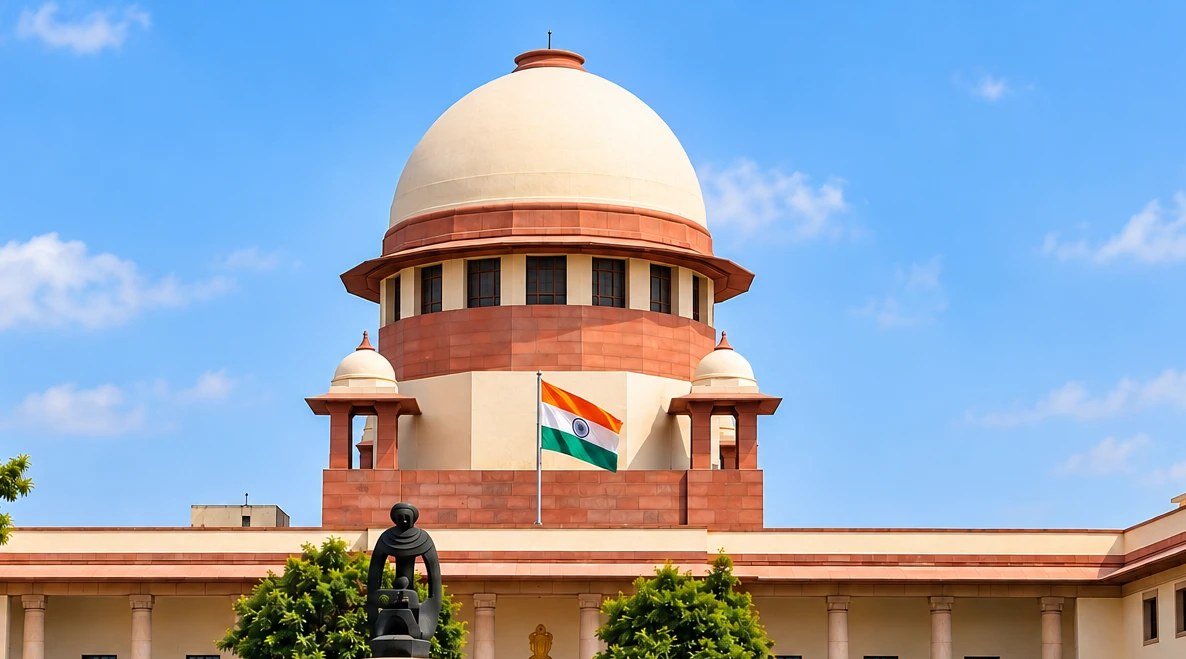
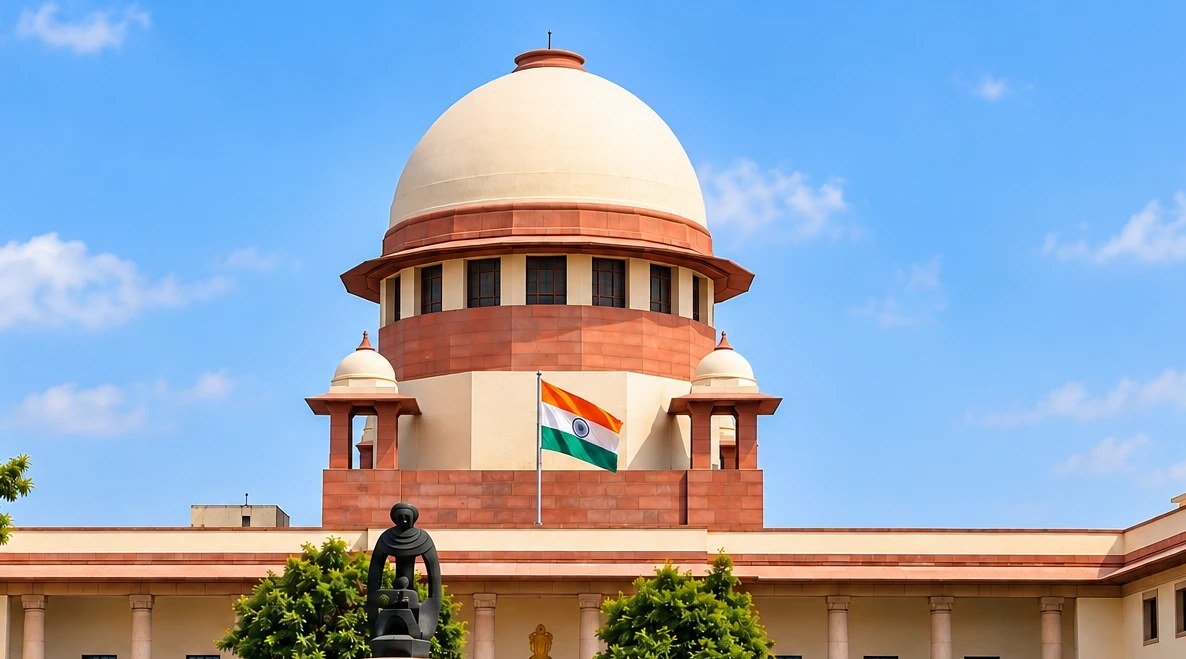
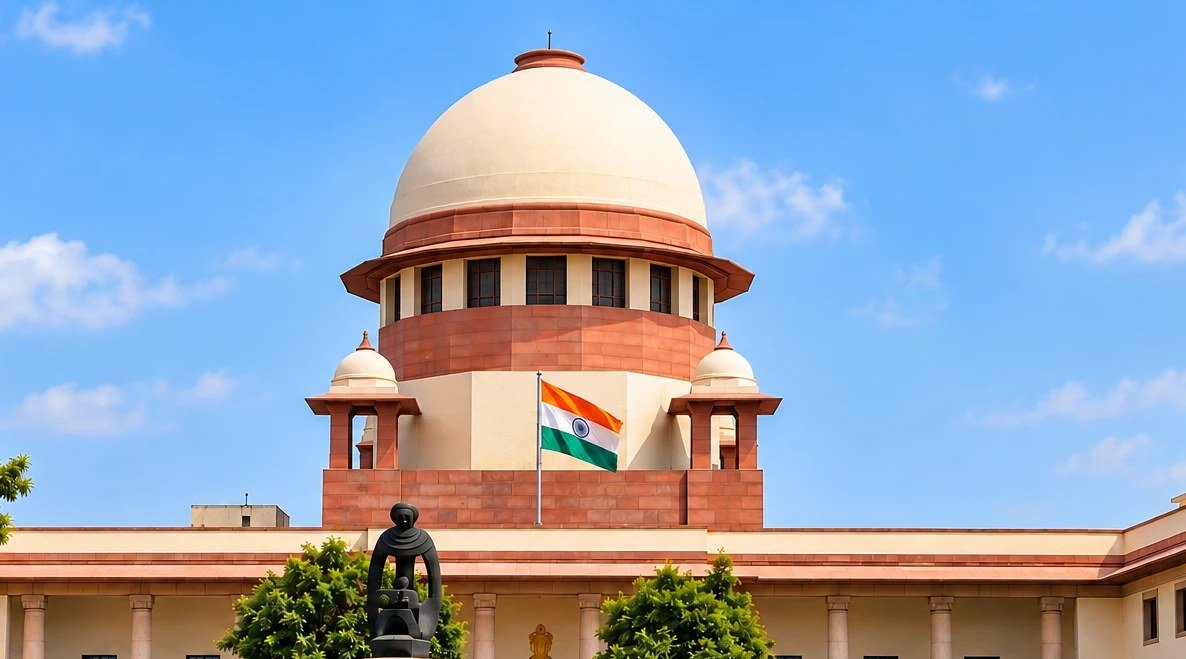
Right to Silence Under Article 20(3) Extends to Police Interrogation: Supreme Court

Published: · NyayVidhan

The Supreme Court held that "The prohibitive sweep of Art. 20(3) goes back to the stage of police interrogation", not only to the trial (para 58). An accused may refuse answers that tend to incriminate him in the case or in other pending or imminent accusations, and pressure, mental or physical, makes testimony compelled (paras 58, 60). Section 179 IPC needs mens rea (para 61). The prosecution of a former Chief Minister of Orissa for refusing police questions was quashed (para 73).

Right to Silence Under Article 20(3) Extends to Police Interrogation: Supreme Court

Judgment Intelligence

FIR Quashed
Nandini Satpathy v. P.L. Dani & Anr.
Civil Appeal No. 315 of 1978 with Criminal Appeal No. 101 of 1978; reported as (1978) 2 SCC 424, [1978] 3 SCR 608 and AIR 1978 SC 1025
Court
Supreme Court of India
Date of Decision
7 April 1978
Bench
Justices V.R. Krishna Iyer, Jaswant Singh and V.D. Tulzapurkar
Relevant Acts & Sections
Constitution of India — Articles 20(3), 22(1); Code of Criminal Procedure, 1973 — Sections 160, 161; Indian Penal Code, 1860 — Section 179
Final Outcome

The appeals were allowed and the prosecution under Section 179 IPC was quashed (para 73). The appellant, through counsel, undertook to answer all questions that do not incriminate her; the police are to examine her under the proviso to Section 160(1) CrPC, not at the police station (paras 71-72).

Key holdings

  1. Section 161 CrPC allows the police to question accused persons and suspects, and Section 161(2) mirrors Article 20(3) (paras 20, 42, 58).
  2. Article 20(3) operates from the stage of police interrogation, not only at trial (paras 47, 58).
  3. Compelled testimony includes evidence obtained by psychic torture, atmospheric pressure or overbearing interrogation; the legal penalty for refusing to answer is not compulsion (paras 58-59).
  4. The right covers answers that may incriminate the accused in other pending or imminent cases, but not fanciful claims (para 60).
  5. Section 179 IPC requires a wilful refusal; an accused who wishes may have a lawyer present during questioning (paras 61, 64).

Brief Facts

The appellant, a former Chief Minister of Orissa, was directed to appear at the Vigilance Police Station, Cuttack, to be examined in a case under the Prevention of Corruption Act and the IPC, in which she, her son and others were shown as accused (para 7). The accusation was acquisition of assets disproportionate to known sources of income, and she was given a long string of written questions (para 7). A complaint under Section 179 IPC followed, alleging failure to answer, and the Magistrate took cognizance (para 2). The High Court rejected her plea that Article 20(3) and Section 161(2) CrPC shielded her refusal, and she appealed on a certificate under Article 132(1) (para 2).

Court's Findings

Section 161(2) CrPC is "a parliamentary gloss on the constitutional clause"; the two cover substantially the same area (paras 20, 58). Section 161 lets the police question actual accused persons and suspects (paras 41-42). Article 20(3) applies to a person formally accused, as Kathi Kalu Oghad and R.C. Mehta hold (paras 20, 43, 45), and works "in the womb, i.e. the police process", not only at trial (para 47). The right covers answers that may expose the accused in other pending or imminent cases (paras 58, 60). Incrimination means a real and probable, not remote or fanciful, tendency to make guilt probable (para 52); there is no right to refuse where there is no clear tendency to criminate (para 60). Compulsion includes psychic torture, atmospheric pressure and tiring or intimidatory interrogation, but not the legal penalty for refusing to answer (para 58); frequent threats of prosecution may become undue pressure (para 59). Section 179 IPC requires wilful refusal (para 61). If the accused wishes, the police should let his lawyer be present, and must warn him of the right to silence (paras 64-65).

Legal Principle

Article 20(3) and Section 161(2) CrPC protect an accused person during police interrogation. He may refuse to answer questions with a real tendency to incriminate him in the case under investigation or in other pending or imminent cases; compulsion includes mental pressure, but not the legal penalty for refusal (paras 58, 60).

Precedents Relied Upon

  1. Followed Discussed at ¶ 43, 51, 54

    Article 20(3) applies only to a person who stood in the character of an accused when making the statement; compulsion means duress; a self-incriminatory statement must by itself tend to incriminate.

  2. M. P. Sharma [1954] S.C.R. 1077
    Relied Upon Discussed at ¶ 40, 47

    Every positive volitional act furnishing evidence is testimony, and the protection is not confined to the trial but extends to compelled testimony previously obtained.

  3. Bansilal 1961 (1) SCR 417
    Referred To Discussed at ¶ 43

    Article 20(3) requires a formal accusation; a general inspector's enquiry into a company has no accused.

View all precedents (8)
  1. Followed Discussed at ¶ 45

    A person stands in the character of an accused when an FIR or complaint is lodged against him; arrest and inquiry by a Customs Officer is not a formal accusation.

  2. Ghagwandas Goenka v. Union of India Criminal Appeal Nos. 131 & 132 of 1961, decided 20.09.1963 (unreported)
    Referred To Discussed at ¶ 45

    No accusation exists while information is collected under Section 19 FERA; formal accusation arises when a show cause notice issues.

  3. Pakala Narayana Swami v. Emperor AIR 1939 PC 47
    Followed Discussed at ¶ 42

    ‘Any person’ in Section 161 CrPC includes persons then or ultimately accused.

  4. Mahabir Mandal v. State of Bihar [1972] 3 SCR 639
    Followed Discussed at ¶ 42

    Approved the Pakala Narayana Swami view that Section 161 covers persons accused.

  5. Miranda v. Arizona 384 US 436 (1966)
    Relied Upon Discussed at ¶ 20, 47, 64

    The privilege extends to police custodial interrogation; an accused who asks for a lawyer must be allowed one before questioning.
NyayVidhan
Court Judgments · 3 min read
Decided: April 7, 1978 Justices V.R. Krishna Iyer, Jaswant Singh and V.D. Tulzapurk...
PDF
WhatsApp Telegram X / Twitter LinkedIn

✕

Popular: POCSO, IBC, Electoral Bond, Article 370, NDPS Act, Bail Conditions, SC Contempt