
Prevention of Money Laundering Act, 2002
Also known as PMLA.
About the PMLA
The Prevention of Money Laundering Act, 2002 was enacted to prevent money laundering and to provide for confiscation of property derived from, or involved in, money laundering (Saumya Chaurasia v. Directorate of Enforcement, 2023 INSC 1073, para 18). An officer arresting under Section 19(1) must give the arrested person a copy of the written grounds of arrest (Pankaj Bansal v. Union of India, 2023 INSC 866, paras 16, 35). Expeditious trial is read into Section 45(1)(ii), so Constitutional Courts may grant bail under Article 21 where the trial cannot conclude within a reasonable time (V. Senthil Balaji v. Directorate of Enforcement, 2024 INSC 739, paras 25, 27).
Sections
Key Judgments
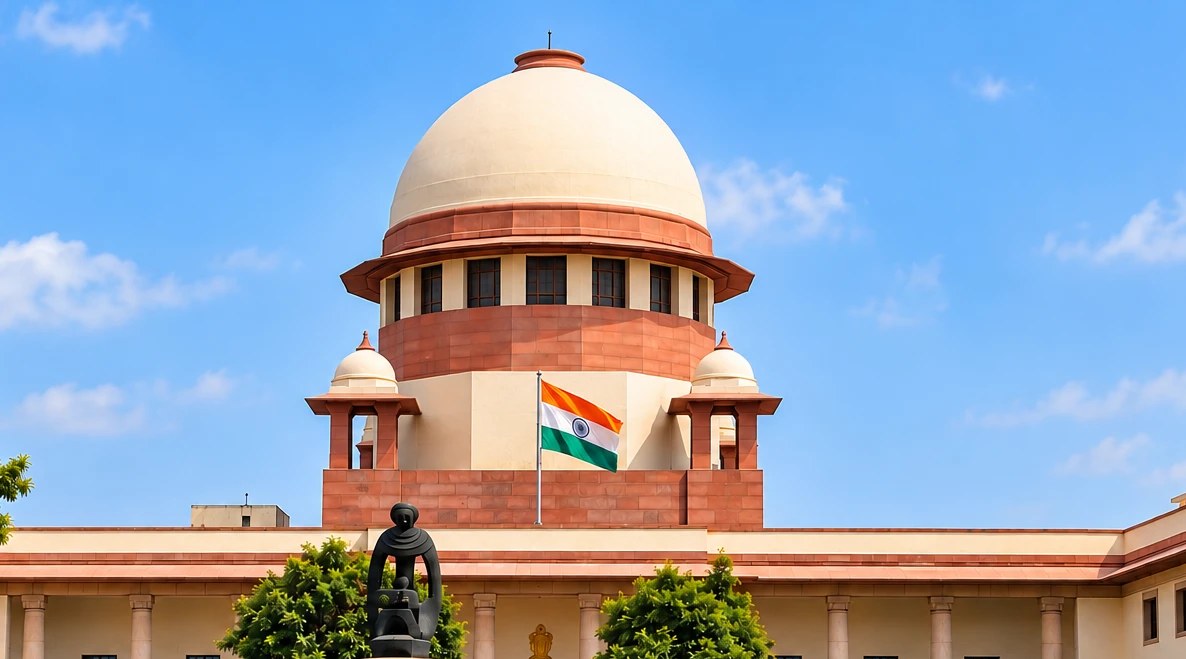
The Supreme Court held that the Enforcement Directorate must, from now on, give every person arrested under Section 19 of the PMLA a written copy of the grounds of arrest, as a matter of course and without exception. Reading the grounds aloud is not enough under Article 22(1). Finding the arrests of a father and son made in haste and without bona fides, it set aside the arrests, the remand orders and the High Court's orders (paras 22, 35-36).
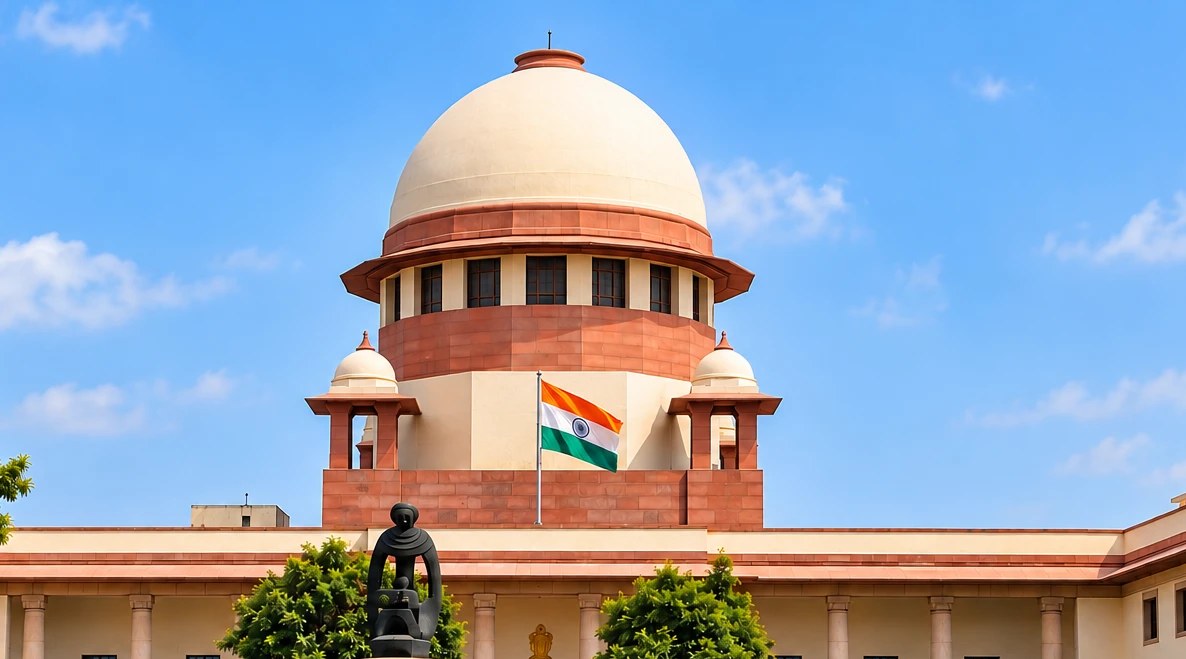
The Supreme Court held that once a person arrested under Section 19 of the PMLA is remanded by a Magistrate, a writ of habeas corpus does not lie. The Enforcement Directorate can seek custody under Section 167(2) CrPC, and the 15 days of such custody may be spread over the whole 60- or 90-day investigation. It referred Anupam J. Kulkarni to a larger Bench (paras 88-91).

The Rajasthan High Court dismissed three revision petitions against a Special Court's order of 21.01.2019 taking cognizance under Sections 3 and 4 of the PMLA in a mines bribery case, and seven Section 482 petitions against the refusal to convert the accused's arrest warrants into bailable warrants (opening paragraph, paras 2, 48, 63). A person accused of money laundering need not have committed the scheduled offence (para 44), and the 2019 Explanation to Section 3 is clarificatory (para 41).