
Bharatiya Nagarik Suraksha Sanhita, 2023
Also known as BNSS.
Explained in Our Guides
Sections
Key Judgments

The J&K and Ladakh High Court granted bail to a driver allegedly found with 106.86 g of a heroin-like substance in his jeans pocket at a naka; 104.89 g was allegedly found on a rear-seat passenger (paras 2, 11). The State called the seizure commercial quantity (para 9). The Court held that any common intention among the accused had to be established at trial; the applicant's own intermediate quantity kept Section 37 out, and bail followed Section 437 CrPC principles (paras 12-14).
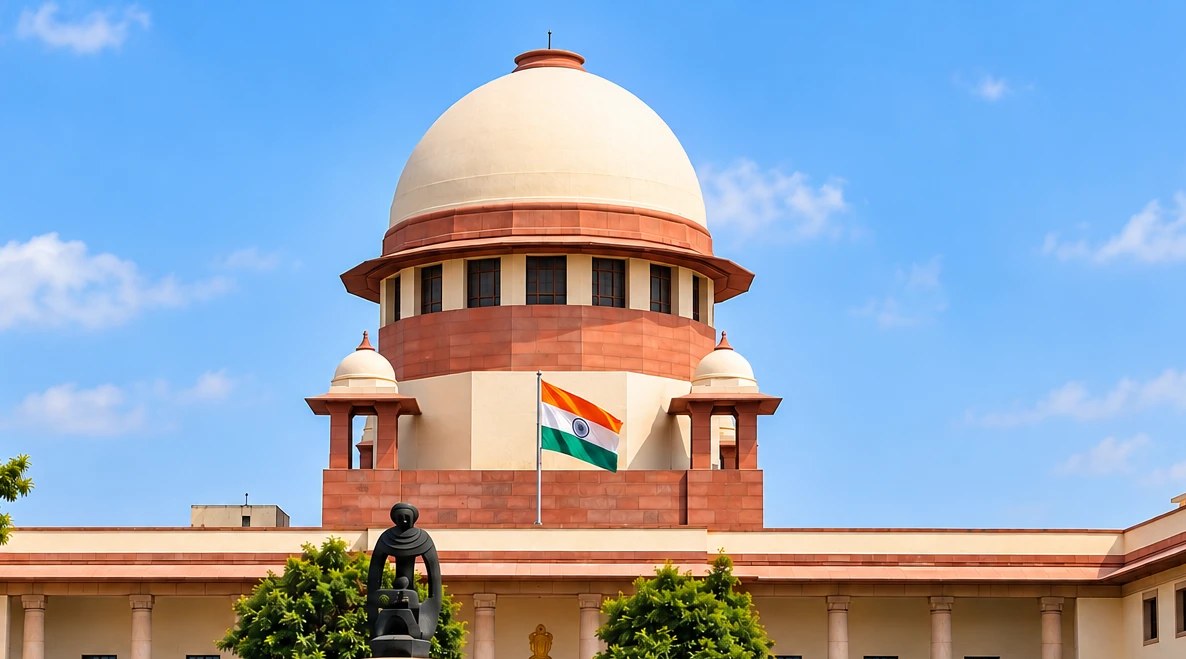
The Supreme Court quashed an FIR registered in Jamnagar against a Rajya Sabha member over a poem recited in a video he posted on X, holding that the poem preached non-violence and made out no offence under the BNS. The effect of words is judged by the standard of reasonable, strong-minded people, and the police and the courts are bound to protect free speech under Article 19(1)(a) (paras 10, 12, 29, 33, 38, 44).

The Rajasthan High Court quashed an SDM's order that required a man held in preventive proceedings to furnish three bonds of Rs 1,00,000 each from government employees and bound him for six months (para 1). Holding that such a condition has no statutory backing and is a denial of bail in the guise of grant (para 6), it declared the proceedings under Sections 126, 135 and 170 BNSS illegal and directed a circular to Executive Magistrates (paras 12-13).

The Rajasthan High Court granted second bail to two accused in a ganja case under Sections 8/20 of the NDPS Act after the seizure officer had testified (paras 1-2, 7). The defence objected to clubbing separate recoveries into commercial quantity, and the State accepted that each individual quantity was below it (paras 3-4). The Court weighed the record, a co-ordinate Bench's observations in Akhlak @ Vilasan, the absence of similar antecedents and the custody period, without commenting on the merits (para 6).
The Rajasthan High Court granted bail to a man held for 24.75 grams of a substance the seizure officer took to be MDA, after the FSL found methamphetamine, whose commercial quantity is 50 grams. A seizure officer is not an expert under Section 45 of the Evidence Act, the Court said, and it directed the DGP to ensure FSL reports are obtained, preferably within 60 days (paras 6, 10-12).
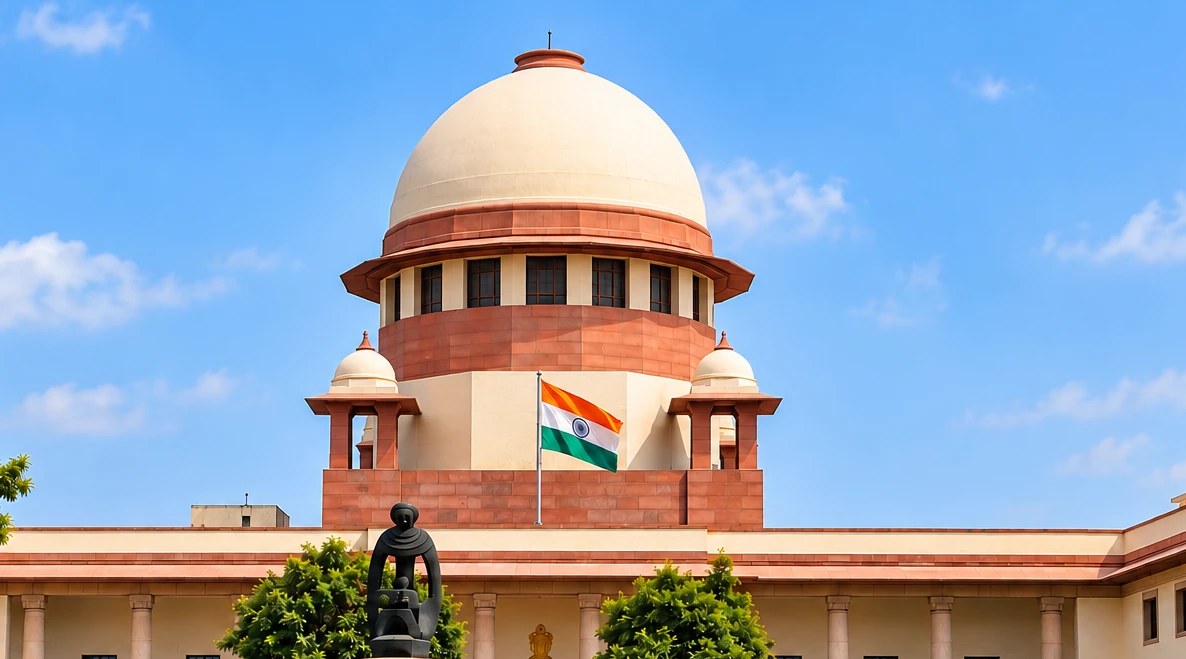
The Supreme Court held that informing an arrested person of the grounds of arrest is a mandatory requirement of Article 22(1). Failure vitiates the arrest and every remand order after it, and a later charge sheet cannot cure it. Telling the accused's wife, a remand report or a vague case-diary entry is no compliance. It ordered Vihaan Kumar's release and condemned his being chained to a hospital bed (paras 21, 24-29, 33).
Taking suo motu cognizance of rising ‘digital arrest’ scams, a single judge of the Rajasthan High Court observed that ‘digital arrest’ has no legal standing in India and that no provision allows police to arrest anyone by video call or online monitoring (paras 6, 26). He registered a public interest petition against the Union, the RBI, the NPCI and Rajasthan authorities and called for reports on the steps taken (paras 29-31). A Division Bench closed the petition on 31.07.2025.

The Supreme Court held that a direction to pay a fine "is also a sentence" that the appellate court may suspend under Section 389(1) CrPC, with or without conditions (paras 5-6, 8). It refused to disturb a Delhi High Court order of 2016 suspending the sentence of a convict in a CBI corruption case, treating his deposit of Rs. 15 lakh as the condition for suspending a fine of Rs. 95 lakh (paras 1, 7, 10).
The Rajasthan High Court dismissed a Section 528 BNSS petition by the registered owner of a car from which opium was seized in 2009. He challenged a 2017 order of the Special Judge (NDPS), Bhawanimandi, issuing non-bailable warrants against him on a supplementary complaint. The Court relied on his unexplained six-year delay, records showing him as the owner, the NDPS Act presumptions and his non-cooperation with the investigation (paras 10.1, 11.2-11.4, 12-13).
The Rajasthan High Court held that the police bear a constitutional responsibility, flowing from Articles 14 and 21, to protect adults who choose their partners or spouses and face extra-legal threats, following Lata Singh and Shakti Vahini (paras 21-24). Disposing of a married couple's protection petition, it laid down a time-bound Nodal Officer procedure for such representations and directed the State to set up Police Complaints Authorities as required by Prakash Singh (para 30).

The Rajasthan High Court held that a court's order for DNA profiling of an accused does not, by itself, violate the protection against self-incrimination under Article 20(3), because the accused may still refuse to give a blood sample and bear the legal consequences (paras 22-25). As the application was filed after 1 July 2024, the BNSS applied, and its Section 193(9) lets the trial court permit further investigation during the trial (paras 11, 13).