Join our WhatsApp Group
Breaking
Sunday, October 11, 2026 Jaipur Edition
Supreme Court of India
Constitutional Law

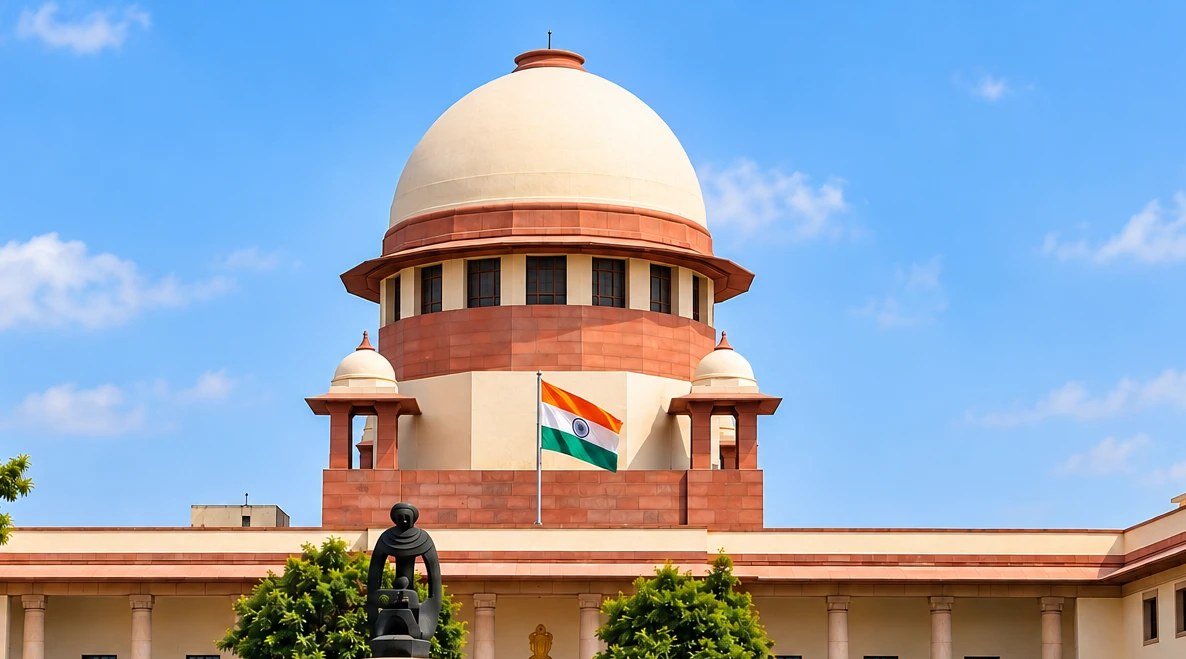
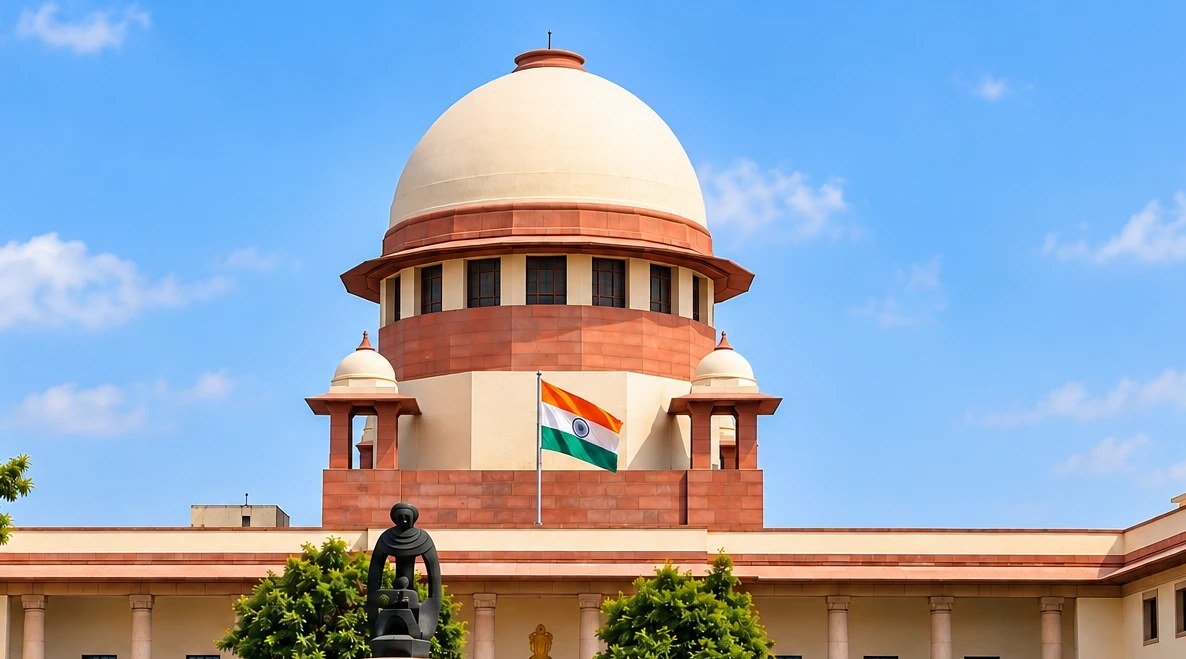
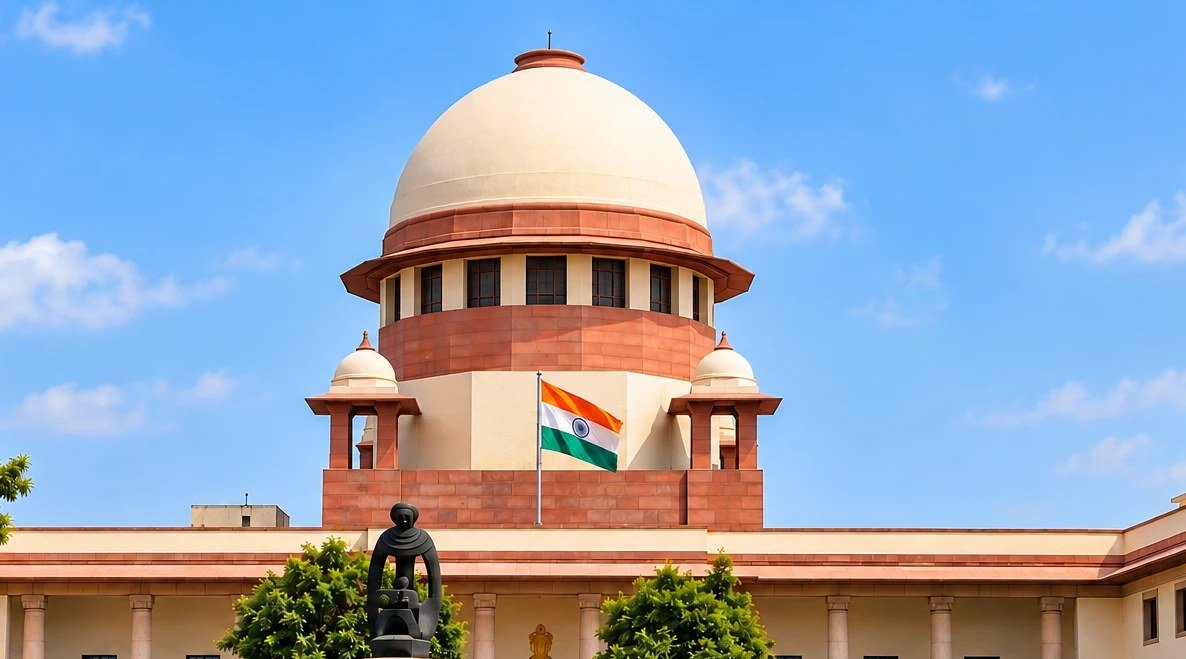
PMLA Twin Bail Conditions Valid, ECIR Not an FIR: Supreme Court Upholds Money-Laundering Law

Published: · NyayVidhan

A three-Judge Bench rejected the constitutional challenges to the Prevention of Money-Laundering Act, 2002, including Sections 5, 8(4), 17, 18, 19, 24, 45, 50 and 63 (para 187). The amended twin bail conditions in Section 45 are valid and apply even to anticipatory bail, but Section 436A CrPC remains available (paras 141, 149, 187). Enforcement Directorate officers are not police officers, Section 50 statements are not hit by Article 20(3), and an ECIR is not an FIR (paras 172, 179).

PMLA Twin Bail Conditions Valid, ECIR Not an FIR: Supreme Court Upholds Money-Laundering Law

Judgment Intelligence

Other
Vijay Madanlal Choudhary & Ors. v. Union of India & Ors.
2022 INSC 757
Special Leave Petition (Criminal) No. 4634 of 2014 with connected writ petitions, special leave petitions, transferred cases and criminal appeals; cited as 2022 SCC OnLine SC 929
Court
Supreme Court of India
Date of Decision
27 July 2022
Bench
Justices A.M. Khanwilkar, Dinesh Maheshwari and C.T. Ravikumar
Relevant Acts & Sections
Prevention of Money-Laundering Act, 2002 — Sections 2(1)(na), 2(1)(u), 3, 5, 8(4), 17, 18, 19, 24, 44, 45, 50, 63; Code of Criminal Procedure, 1973 — Sections 167, 436A, 438; Constitution of India — Articles 20(3), 21, 22(1)
Final Outcome

The Court summarised its conclusions, leaving open the challenge to amendments made through Finance Acts for the seven-Judge reference in Rojer Mathew (para 187). By its Order, matters were disposed of in terms of the judgment or delinked, individual bail, discharge and quashing cases were listed separately, and interim relief continued for four weeks (Order paras 1-7).

Key holdings

  1. No one can be prosecuted for money-laundering on the assumption that a scheduled offence was committed; discharge, acquittal or quashing in the scheduled offence ends the money-laundering offence (para 187).
  2. The amended twin conditions in Section 45 are reasonable and apply to regular and anticipatory bail and even before constitutional courts (paras 135, 141, 187).
  3. Section 436A CrPC is a statutory bail provision that persons arrested under the PMLA can invoke (paras 148-149).
  4. PMLA authorities are not police officers; statements recorded by them are not hit by Article 20(3) or Article 21 (paras 172, 187).
  5. An ECIR is an internal ED document, not an FIR; its supply is not mandatory if the grounds of arrest are disclosed at the time of arrest (paras 178-179).

Brief Facts

The batch of writ petitions, special leave petitions, appeals and transferred cases challenged the validity and interpretation of provisions of the PMLA and the procedure followed by the Enforcement Directorate (para 1). After Nikesh Tarachand Shah, Parliament amended Section 45 by Act 13 of 2018 to revive the twin conditions for bail; the amendment was challenged in several High Courts and before this Court, along with other provisions of the Act (para 1(a)). Challenges to other statutes and individual bail, quashing or discharge petitions were also in the batch; the Court confined itself to the questions of law on the PMLA (para 1(b)-(d)).

Court's Findings

Section 3 captures every process or activity connected with proceeds of crime, and ‘and’ in it is read as ‘or’; but the offence depends on illegal gain from a scheduled offence, so the authorities cannot prosecute "on notional basis", and discharge, acquittal or quashing in the scheduled offence ends the money-laundering case (paras 53-55, 187). Sections 5, 17, 18 and 19 carry stringent safeguards and are valid (paras 90, 187). Under Section 24 the prosecution must first establish the foundational facts before the burden shifts (para 99). Disagreeing with Nikesh Tarachand Shah's reasons for distinguishing Kartar Singh, the Court upheld the amended Section 45, whose rigours apply to anticipatory bail and before constitutional courts (paras 129, 135, 141). Section 436A is nevertheless a statutory bail provision available to PMLA accused, as it is "the bounden duty of the State" to conclude such trials within a reasonable time (paras 148-149). Distinguishing Tofan Singh, the Court held that the PMLA authorities are not police officers, so statements recorded by them are not hit by Article 20(3) (paras 168, 172).

Legal Principle

The twin bail conditions in Section 45 of the PMLA, as amended in 2018, are valid and govern every form of bail relief in money-laundering cases, subject to Section 436A CrPC. PMLA authorities are not police officers, and disclosing the grounds of arrest at the time of arrest satisfies Article 22(1) without supplying the ECIR (paras 141, 149, 172, 179).

Precedents Relied Upon

  1. Nikesh Tarachand Shah v. Union of India (2018) 11 SCC 1
    Not Followed Discussed at ¶ 1, 129, 130, 135, 187

    Its declaration of the twin conditions in Section 45(1) as unconstitutional did not obliterate the provision, and Parliament could cure the defect; the Court disagreed with its observations distinguishing Kartar Singh and doubting Parliament's view of the seriousness of money-laundering.

  2. Kartar Singh v. State of Punjab (1994) 3 SCC 569
    Followed Discussed at ¶ 128, 129, 187

    Constitution Bench upheld twin bail conditions under Section 20(8) of TADA as reasonable; applied to uphold Section 45 of the 2002 Act.

  3. Ranjitsing Brahmajeetsing Sharma v. State of Maharashtra (2005) 5 SCC 294
    Followed Discussed at ¶ 131

    Under similar twin conditions (MCOCA), the bail court records only a prima facie view on the material and does not weigh evidence as at trial.

View all precedents (9)
  1. Asst. Director, Enforcement Directorate v. Dr. V.C. Mohan Criminal Appeal No. 21 of 2022, decided on 4.1.2022
    Followed Discussed at ¶ 137

    Section 45 of the 2002 Act applies to anticipatory bail applications as well.

  2. P. Chidambaram v. Directorate of Enforcement (2019) 9 SCC 24
    Relied Upon Discussed at ¶ 138, 139

    The power of anticipatory bail should be sparingly exercised in economic offences.

  3. Hussainara Khatoon & Ors. v. Home Secretary, State of Bihar, Patna (1980) 1 SCC 98
    Relied Upon Discussed at ¶ 143

    Right to speedy trial is a facet of Article 21; basis of Section 436A.

  4. Supreme Court Legal Aid Committee Representing Undertrial Prisoners v. Union of India (1994) 6 SCC 731
    Relied Upon Discussed at ¶ 143, 148

    Release of NDPS undertrials after one-half of the maximum term despite the non obstante bail provision; the principle cannot be whittled down.

  5. Tofan Singh v. State of Tamil Nadu 2020 SCC OnLine SC 882
    Distinguished Discussed at ¶ 168, 172

    Held NDPS officers to be police officers so that statements to them were hit by Article 20(3); distinguished because the scheme of the 2002 Act differs.

  6. Rojer Mathew v. South Indian Bank Ltd. (2020) 6 SCC 1
    Referred To Discussed at ¶ 187

    Whether PMLA amendments could be made by a Finance Act is left open for examination with or after the seven-Judge reference in this case.
NyayVidhan
Court Judgments · 3 min read
Decided: July 27, 2022 Justices A.M. Khanwilkar, Dinesh Maheshwari and C.T. Ravikum...
PDF
WhatsApp Telegram X / Twitter LinkedIn

✕

Popular: POCSO, IBC, Electoral Bond, Article 370, NDPS Act, Bail Conditions, SC Contempt