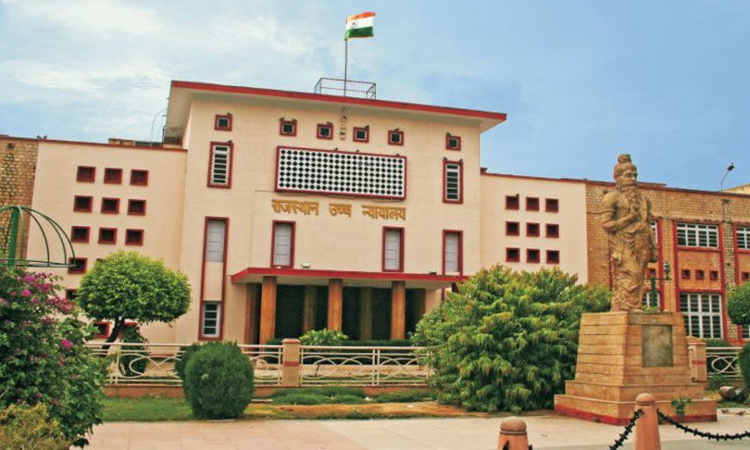

Photo: TrendSPLEND via Wikimedia Commons (CC BY-SA 4.0)
Judgment Intelligence
Petition AllowedShwetambari Vikram Bhatt v. State of Rajasthan & Ors.
2026:RJ-JD:13929
S.B. Criminal Writ Petition No. 1081/2026 with No. 1082/2026
- Court
- Rajasthan High Court
- Date of Decision
- 19 March 2026
- Bench
- Justice Farjand Ali
- Relevant Acts & Sections
- Constitution of India — Articles 19(1)(g), 21, 226
Final Outcome
Petitions disposed of. The disputed ₹30 crores identified by the investigating agency stays frozen, with only debits to that extent barred; the four listed accounts are de-frozen for all other lawful transactions, and the SHO must communicate the order to the banks forthwith (paras 9-12).
Key holdings
- Freezing a bank account during investigation is an extraordinary power, to be used sparingly and not mechanically (para 5.1).
- Recorded reasons must show a live, proximate and direct nexus between the account and the alleged crime (para 5.2).
- A freeze should be confined to the disputed amount; freezing entire accounts beyond the alleged tainted sum is disproportionate (paras 5-6).
- An indefinite freeze without telling the account holder its reasons, extent and duration offends natural justice (para 5.1).
- An unjustified freeze of a whole account infringes Articles 21 and 19(1)(g) of the Constitution (para 5.2).
Brief Facts
The petitioners, described in the order as film professionals, entered into an arrangement with the complainant to produce several films through an LLP (para 2). The complainant alleged that the accused siphoned off about ₹30 crores of the film funds through inflated and fake vendor bills, and FIR No. 213/2025 was registered at P.S. Bhupalpura, Udaipur, for cheating, criminal breach of trust and conspiracy; the petitioners were arrested (paras 2, 4). On the Investigating Officer's communication, HDFC Bank and IDFC First Bank froze and then blocked their savings accounts, including accounts not directly connected with the alleged transactions (paras 1-2). The petitioners said the amounts received were legitimate, accounted professional fees (para 2.1).
Court's Findings
The Court accepted that the statutory framework lets an investigating agency ask a bank to freeze an account during investigation and intimate the jurisdictional Court forthwith, but held that the power is not unfettered: it is an extraordinary measure to be invoked sparingly, with due circumspection, and never mechanically (para 5.1). A freeze cannot continue indefinitely without telling the account holder the reasons, the allegations, its extent and its duration; otherwise it offends natural justice and is manifestly arbitrary (para 5.1). Freezing without cogent reasons or even a prima facie nexus with a cognizable offence intrudes on Article 21, which includes livelihood, dignity and economic freedom, and on Article 19(1)(g); relying on Maneka Gandhi, the Court required recorded reasons showing a direct nexus (para 5.2). Here only a quantified amount was under investigation, yet a blanket direction froze the accounts in their entirety (paras 5-6). The petitioners could not meet household expenses, pay salaries or service loans (para 6). A bank account, the Court said, is "the very bloodstream" of a person's economic existence (para 7), and a balanced, proportionate approach was needed (para 8).
Legal Principle
The investigating agency's power to have a bank account frozen is an extraordinary one. It must rest on recorded reasons showing a live, proximate and direct nexus between the account and the alleged offence, and should be confined to the disputed amount; freezing an entire account beyond the alleged tainted sum without justification is disproportionate and arbitrary (paras 5, 6).
Precedents Relied Upon
- Maneka Gandhi v. Union of India 1978 AIR 597
Any procedure which deprives a person of life or liberty must be just, fair and reasonable, and not arbitrary, fanciful or oppressive.