Join our WhatsApp Group
Breaking
Sunday, October 11, 2026 Jaipur Edition
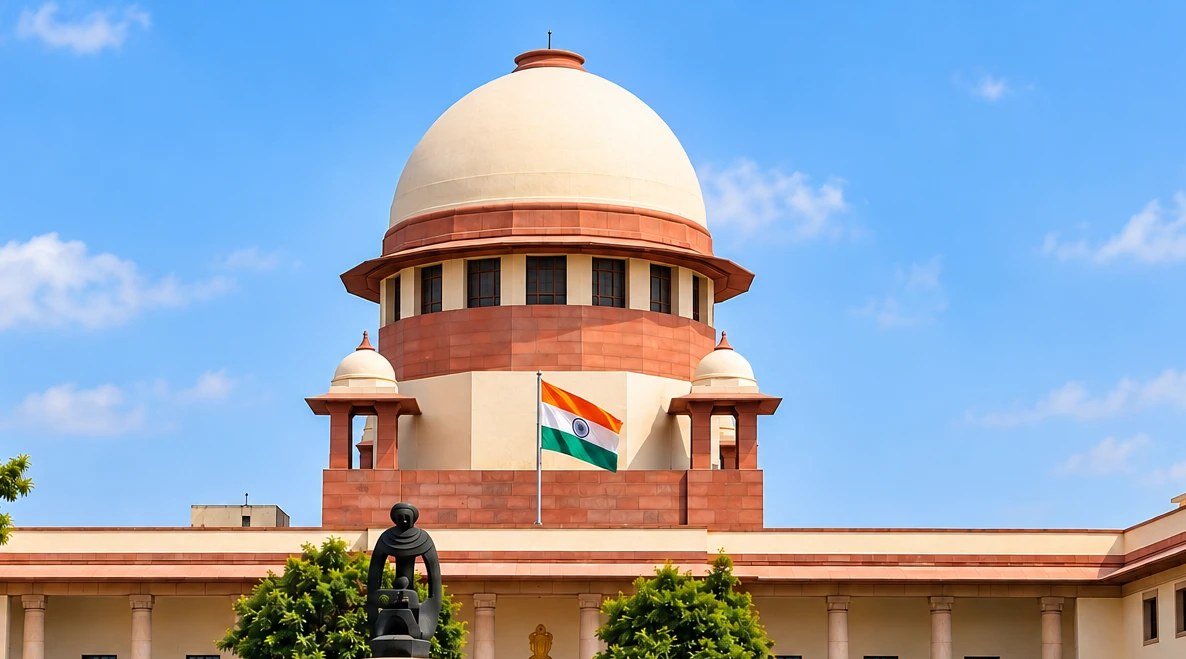
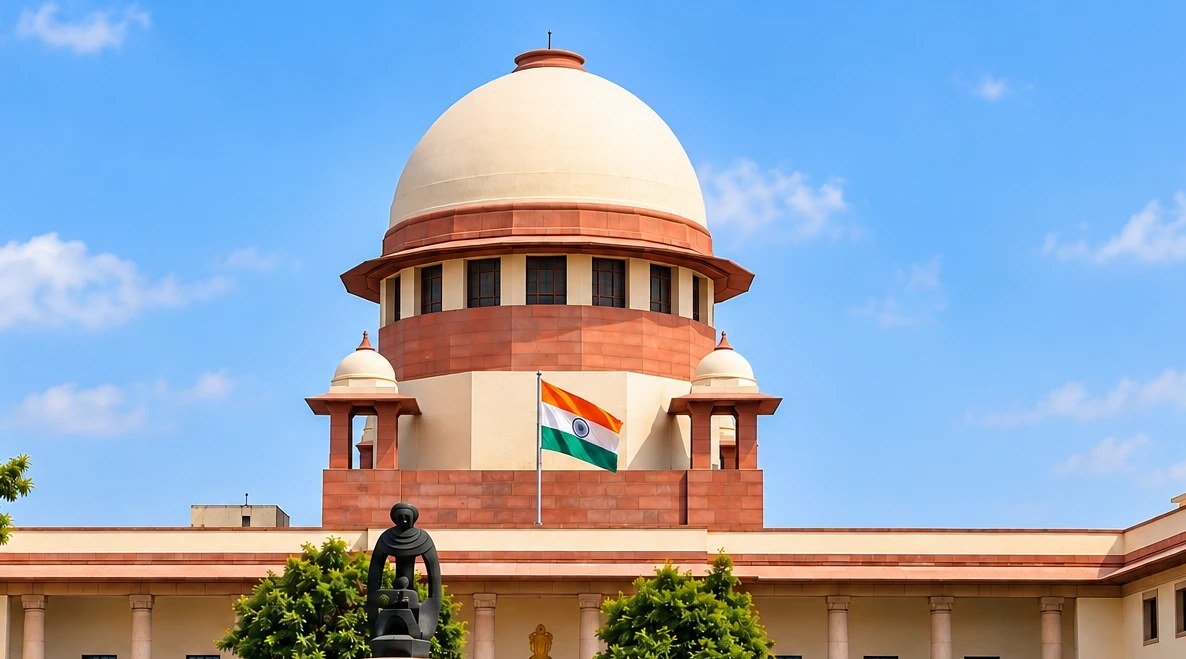
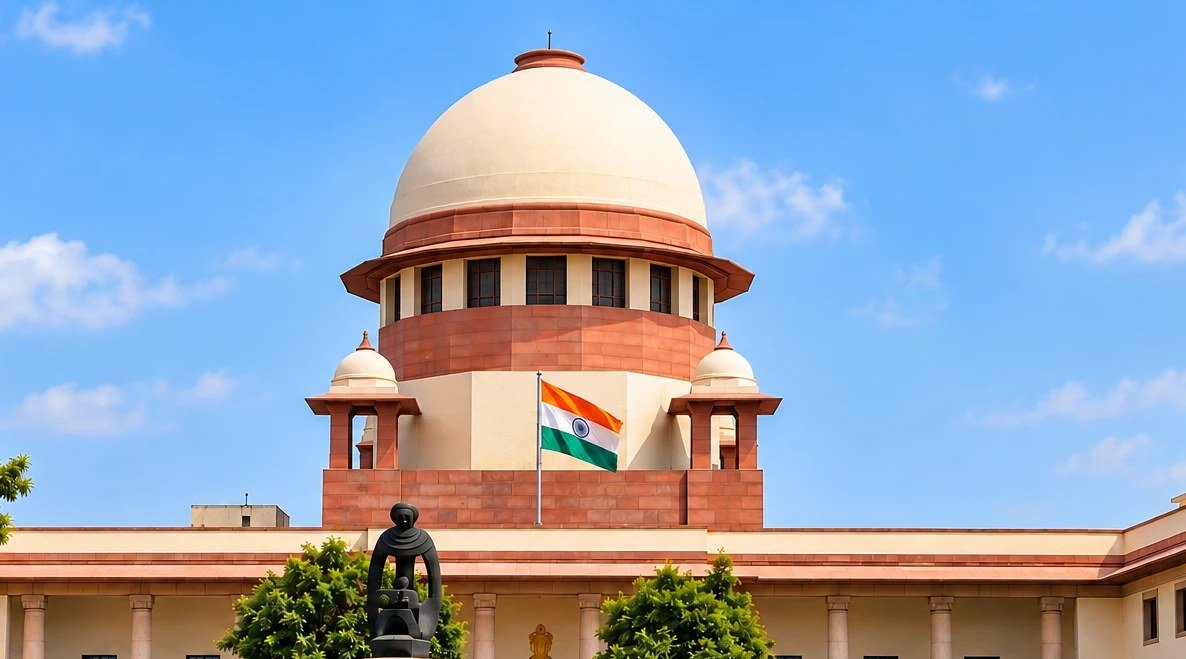
Supreme Court of India
Constitutional Law

Right to Privacy Is a Fundamental Right Under Article 21 and Part III: Supreme Court

Published: · NyayVidhan

A nine-Judge Bench of the Supreme Court held that the right to privacy "is protected as an intrinsic part of the right to life and personal liberty under Article 21 and as a part of the freedoms guaranteed by Part III of the Constitution" (Order of the Court, para 2). M P Sharma, and Kharak Singh to that extent, were overruled. The plurality judgment added that privacy is not absolute: an intrusion needs a law, a legitimate aim and proportionality.

Right to Privacy Is a Fundamental Right Under Article 21 and Part III: Supreme Court

Judgment Intelligence

Other
Justice K.S. Puttaswamy (Retd.) & Anr. v. Union of India & Ors.
Writ Petition (Civil) No. 494 of 2012 with connected matters; reported as (2017) 10 SCC 1
Court
Supreme Court of India
Date of Decision
24 August 2017
Bench
Chief Justice J.S. Khehar and Justices J. Chelameswar, S.A. Bobde, R.K. Agrawal, R.F. Nariman, A.M. Sapre, D.Y. Chandrachud, S.K. Kaul and S. Abdul Nazeer
Relevant Acts & Sections
Constitution of India — Articles 14, 19, 20(3), 21
Final Outcome

The reference was answered by the Order of the Court: M P Sharma and, to the stated extent, Kharak Singh were overruled, and the right to privacy was declared protected under Article 21 and Part III (Order of the Court, para 2).

Key holdings

  1. M P Sharma is overruled so far as it holds that the right to privacy is not protected by the Constitution (Order of the Court, para 2).
  2. Kharak Singh is overruled to the same extent, though its striking down of night domiciliary visits implicitly recognised privacy (Order of the Court, para 2).
  3. Privacy is protected as an intrinsic part of Article 21 and of the freedoms in Part III; later decisions recognising it state the correct law (Order of the Court, para 2).
  4. Privacy is not absolute: an invasion under Article 21 must satisfy legality, a legitimate state aim and proportionality (Chandrachud J., Part T).
  5. Informational privacy is a facet of the right; threats to it can come from non-state actors too (Chandrachud J., Part T).

Brief Facts

While a three-Judge Bench heard challenges to the Aadhaar scheme, the Attorney General argued that a fundamental right to privacy was in doubt because of M P Sharma (eight Judges) and Kharak Singh (six Judges), which contained observations that the Constitution does not protect privacy (Chandrachud J., para 3). Smaller Benches had later recognised the right, in Gobind, Rajagopal and PUCL (para 4). On 11 August 2015 the Bench sought a larger Bench, and on 18 July 2017 a Constitution Bench placed the question before nine Judges (paras 4-5). The issues were whether privacy is constitutionally protected, its content, and the correctness of the earlier decisions (para 7).

Court's Findings

Dr Chandrachud J., for himself, Khehar CJI, Agrawal J. and Nazeer J., held that M P Sharma decided only that a search and seizure is not testimonial compulsion under Article 20(3); its remark on privacy was "no more than a passing observation" (paras 25-26, 88). Kharak Singh struck down night domiciliary visits on reasoning grounded in privacy yet denied the right, an "internal inconsistency" (paras 27, 89). The basis of both, the Gopalan view of rights as separate compartments, had given way after Cooper and Maneka (para 24). Privacy is not a privilege for the few, nor merely a common law right (paras 157-158). The plurality also overruled ADM Jabalpur (para 121). Its conclusions (Part T) describe privacy as "the constitutional core of human dignity", not lost in a public place and not absolute: an invasion under Article 21 needs a law, a legitimate state aim and proportionality. Informational privacy is a facet of the right, and the Union was asked to put a robust data protection regime in place (Part T). Chelameswar, Bobde, Nariman, Sapre and Kaul JJ. delivered separate judgments, and all nine Judges signed the Order of the Court (Order of the Court, paras 1-2).

Legal Principle

Privacy is a fundamental right, an intrinsic part of life and personal liberty under Article 21 and of the freedoms in Part III. It is not absolute: an invasion must meet the test for the right affected, under Article 21 legality, a legitimate aim and proportionality (Order of the Court, para 2; Part T).

Precedents Relied Upon

  1. M P Sharma v Satish Chandra, District Magistrate, Delhi (1954) SCR 1077
    Not Followed Discussed at ¶ Chandrachud J. paras 3, 8-10, 25-26, 88 and Part T; Order of the Court para 2

    Overruled so far as it holds that the right to privacy is not protected by the Constitution; it decided only that a search and seizure is not testimonial compulsion under Article 20(3), and its remark on privacy was a passing observation.

  2. Kharak Singh v State of Uttar Pradesh (1964) 1 SCR 332
    Not Followed Discussed at ¶ Chandrachud J. paras 3, 11-18, 27, 89 and Part T; Order of the Court para 2

    Overruled to the extent it holds that the right to privacy is not protected; its invalidation of night domiciliary visits was an implicit recognition of privacy, and the majority judgment was internally inconsistent.

  3. A K Gopalan v State of Madras AIR 1950 SC 27
    Referred To Discussed at ¶ Chandrachud J. paras 3, 19, 24

    The view that each fundamental right is a separate compartment, on which M P Sharma and Kharak Singh rested, has given way after Cooper and Maneka.

View all precedents (10)
  1. Rustom Cavasji Cooper v Union of India (1970) 1 SCC 248
    Relied Upon Discussed at ¶ Chandrachud J. paras 3, 21, 24

    Eleven Judges discarded the theory that fundamental rights are water-tight compartments.

  2. Maneka Gandhi v Union of India (1978) 1 SCC 248
    Relied Upon Discussed at ¶ Chandrachud J. paras 3, 22-24

    Seven Judges held that Cooper affirmed Subba Rao J.'s dissent in Kharak Singh as the valid constitutional position and carried the overlapping nature of fundamental rights to its logical conclusion.

  3. Gobind v State of Madhya Pradesh (1975) 2 SCC 148
    Explained Discussed at ¶ Chandrachud J. paras 4, 48-50, 90

    Proceeded on the assumption that privacy is a constitutionally protected right, part of ordered liberty and subject to restrictions for a compelling state interest; later Benches treated it as recognising the right.

  4. R Rajagopal v State of Tamil Nadu (1994) 6 SCC 632
    Referred To Discussed at ¶ Chandrachud J. paras 4, 54-55

    Recognised privacy as a protected constitutional right implicit in Article 21.

  5. People's Union for Civil Liberties v Union of India (1997) 1 SCC 301
    Referred To Discussed at ¶ Chandrachud J. paras 4, 59-61

    Held that telephone tapping infringes privacy, and in consequence Article 21 and Article 19(1)(a).

  6. ADM Jabalpur v Shivakant Shukla (1976) 2 SCC 521
    Not Followed Discussed at ¶ Chandrachud J. paras 118-121

    The majority judgments are seriously flawed; ADM Jabalpur is overruled (as is Union of India v Bhanudas Krishna Gawde, which followed it).

  7. Suresh Kumar Koushal v NAZ Foundation (2014) 1 SCC 1
    Referred To Discussed at ¶ Chandrachud J. paras 124-128

    The plurality disagreed with the way Koushal dealt with the privacy and dignity claims of LGBT persons, but left the validity of Section 377 to the pending larger-Bench proceeding (the Bench differed).
NyayVidhan
Court Judgments · 3 min read
Decided: August 24, 2017 Chief Justice J.S. Khehar and Justices J. Chelameswar, S.A....
PDF
WhatsApp Telegram X / Twitter LinkedIn

✕

Popular: POCSO, IBC, Electoral Bond, Article 370, NDPS Act, Bail Conditions, SC Contempt