Latest
Wednesday, October 21, 2026
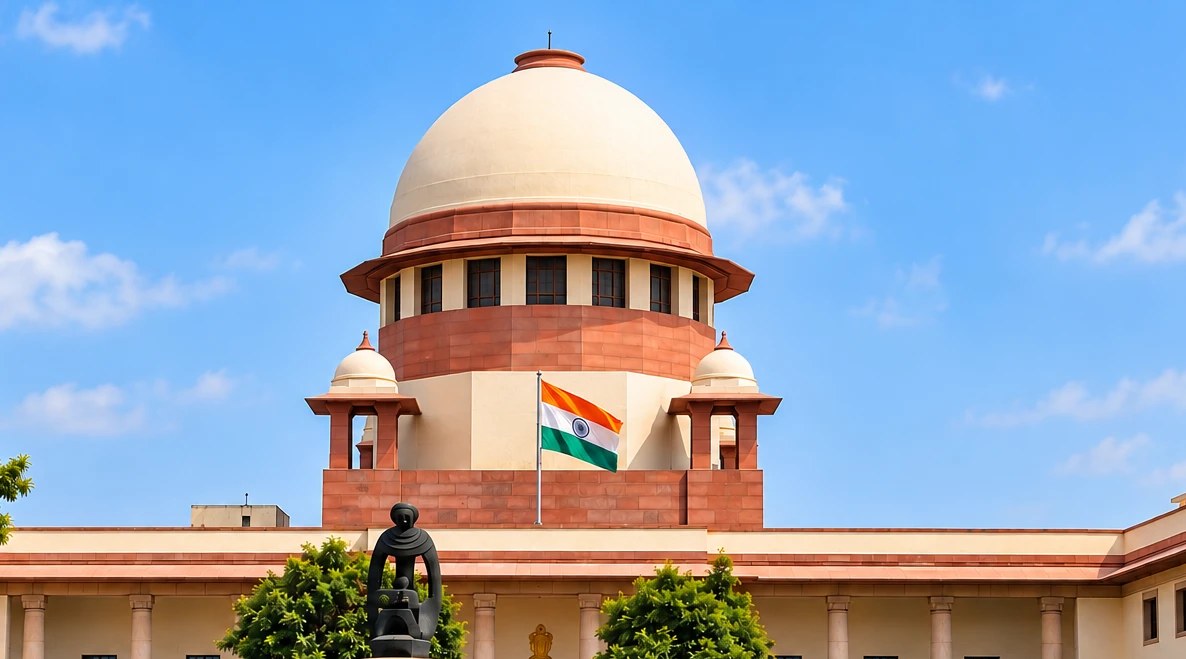
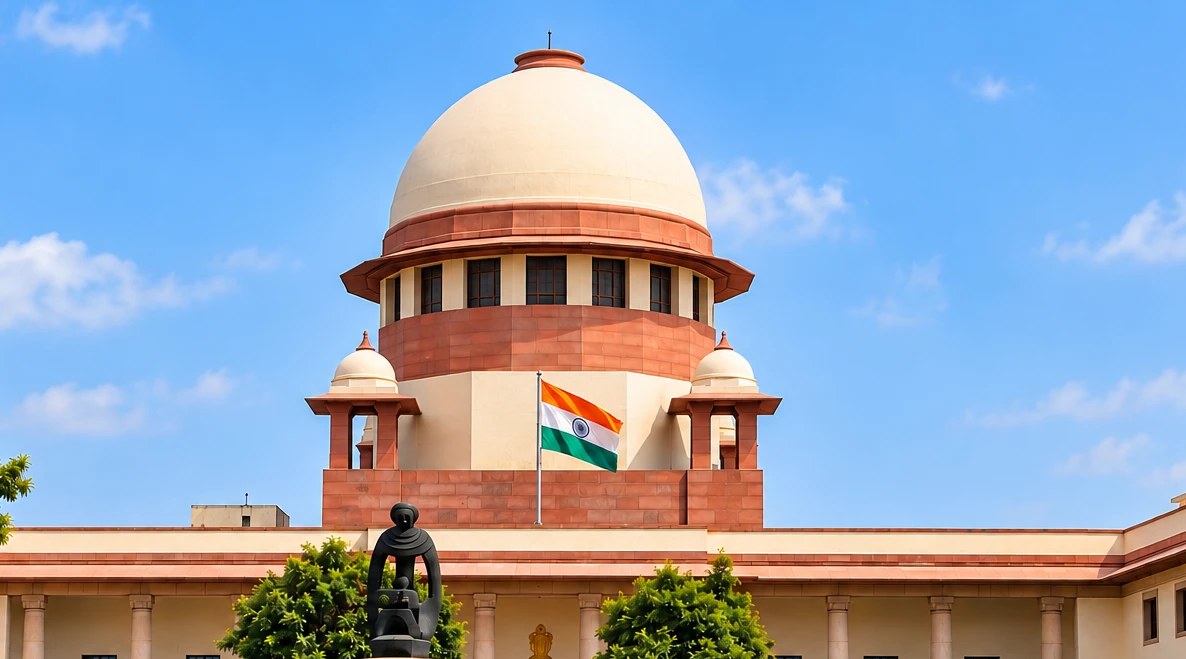
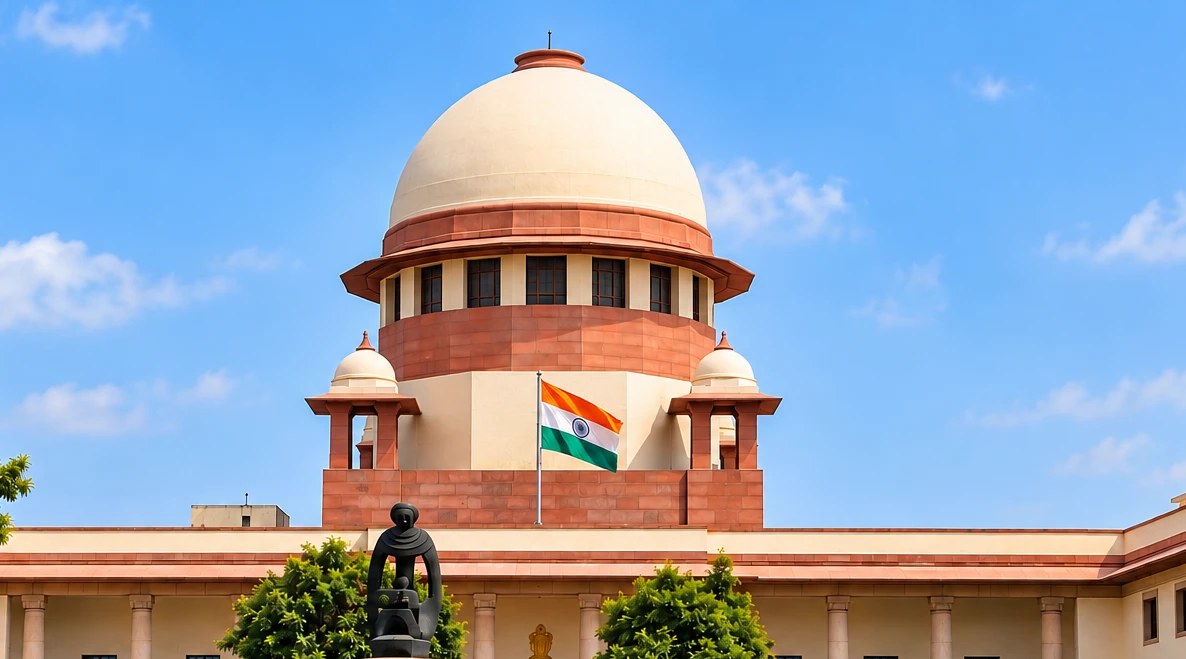
Supreme Court of India
Supreme Court

Pre-Service Children From First Marriage No Bar to Maternity Leave for Child of Second Marriage: Supreme Court

Published: · NyayVidhan

The Supreme Court held that a Tamil Nadu government teacher who had two children from her first marriage, born before she entered service, must be granted maternity leave under FR 101(a) for her first child from her second marriage. Reading the rule purposively, it held that the two-child norm and maternity benefit must be harmonised, set aside the Madras High Court Division Bench and ordered the benefits released within two months (paras 34-37).

Pre-Service Children From First Marriage No Bar to Maternity Leave for Child of Second Marriage: Supreme Court

Judgment Intelligence

Petition Allowed
K. Umadevi v. Government of Tamil Nadu & Ors.
2025 INSC 781
Civil Appeal No. 2526 of 2025 (arising out of SLP (Civil) No. 20178 of 2022)
Court
Supreme Court of India
Date of Decision
23 May 2025
Bench
Justice Abhay S. Oka and Justice Ujjal Bhuyan
Relevant Acts & Sections
Tamil Nadu Fundamental Rules - FR 101(a); Maternity Benefit Act, 1961 - Sections 5 and 27; Constitution of India - Articles 21, 42 and 51(c)
Final Outcome

Appeal allowed: the Division Bench judgment of 14.09.2022 set aside, the appellant declared entitled to maternity leave under FR 101(a) with benefits released within two months, and no order as to costs (paras 37-38).

Source Supreme Court of India, www.sci.gov.in — judgment dated 23.05.2025

Key holdings

  1. Maternity leave is integral to maternity benefits, which international law recognises as part of reproductive rights (para 28).
  2. A woman's right to make reproductive choices is a dimension of personal liberty under Article 21 (paras 29-30).
  3. The Maternity Benefit Act places no ceiling on the number of children; it only shortens the period of benefit (para 19).
  4. The two-child norm and maternity benefit for women employees are not mutually exclusive objectives (para 35).
  5. The appellant must be granted maternity leave under FR 101(a), with benefits released within two months (para 37).

Case explainer by NyayVidhan: an account of this judgment and the law it laid down, not the court's text. The judgment itself is the authoritative version.

Brief Facts

The appellant had two children, born in 2007 and 2011, from a marriage dissolved in 2017; she joined government service as an English teacher in December 2012, and those children live with their father (para 4). After remarrying in 2018 she sought nine months' maternity leave from 17.08.2021, which was refused on 28.08.2021 because FR 101(a) allows it only to women with less than two surviving children (paras 4, 9). A Single Judge allowed her writ petition, but a Division Bench reversed it, holding that maternity leave is not a fundamental right (paras 4, 11). The State defended its small-family policy (para 7).

Court's Findings

Article 21 has been read to include the rights to health, dignity and privacy, and Article 42 directs the State to secure maternity relief (paras 13-14). The Maternity Benefit Act does not apply to State employees but gives guidance: it sets no cap on the number of children, only reducing the benefit to 12 weeks for a woman with two or more surviving children, and it overrides inconsistent laws (paras 18-20). International instruments such as CEDAW treat maternity leave as part of reproductive rights (paras 25-28). Suchita Srivastava, Devika Biswas and X v. Principal Secretary place reproductive choice within Article 21 (paras 29-31). In Deepika Singh, a spouse's two children from an earlier marriage did not defeat maternity leave for the employee's sole biological child, and the leave rule was construed purposively (para 33). Here the two children were born before the appellant entered service and live with their father, and this is her first child in service and in her present marriage (para 34). Population control and maternity benefit are not mutually exclusive and must be harmonised (para 35). The Court disagreed with the Division Bench and also with the Single Judge's reasoning (para 36).

Legal Principle

A two-child condition in maternity leave rules must be read purposively and harmonised with the object of maternity benefit; children born to a woman employee in an earlier marriage before she entered service do not bar maternity leave for her first child in service from her present marriage (paras 34-35, 37).

Precedents Relied Upon

  1. Relied Upon Discussed at ¶ 11, 33

    A spouse's children from an earlier marriage do not defeat maternity leave for the employee's sole biological child.

  2. B. Shah v. Presiding Officer, Labour Court, Coimbatore AIR 1978 SC 12
    Relied Upon Discussed at ¶ 21

    Maternity leave legislation aims at social justice for women workers.

  3. Suchita Srivastava v. Chandigarh Administration (2009) 9 SCC 1
    Relied Upon Discussed at ¶ 29

    A woman's right to make reproductive choices is a dimension of personal liberty under Article 21.

View all precedents (5)
  1. Devika Biswas v. Union of India (2016) 10 SCC 726
    Relied Upon Discussed at ¶ 30

    Reproductive rights and the right to health are components of the right to life.

  2. Relied Upon Discussed at ¶ 31

    Reproductive rights extend to all decisions on sexual and reproductive health.
NyayVidhan
Court Judgments · 3 min read
Decided: May 23, 2025 Justice Abhay S. Oka and Justice Ujjal Bhuyan
PDF
 Join our WhatsApp Group
✕

Try: POCSO, IBC, Electoral Bond, Article 370, NDPS Act, Bail Conditions, SC Contempt