Join our WhatsApp Group
Breaking
Sunday, October 11, 2026 Jaipur Edition
Supreme Court of India
Constitutional Law

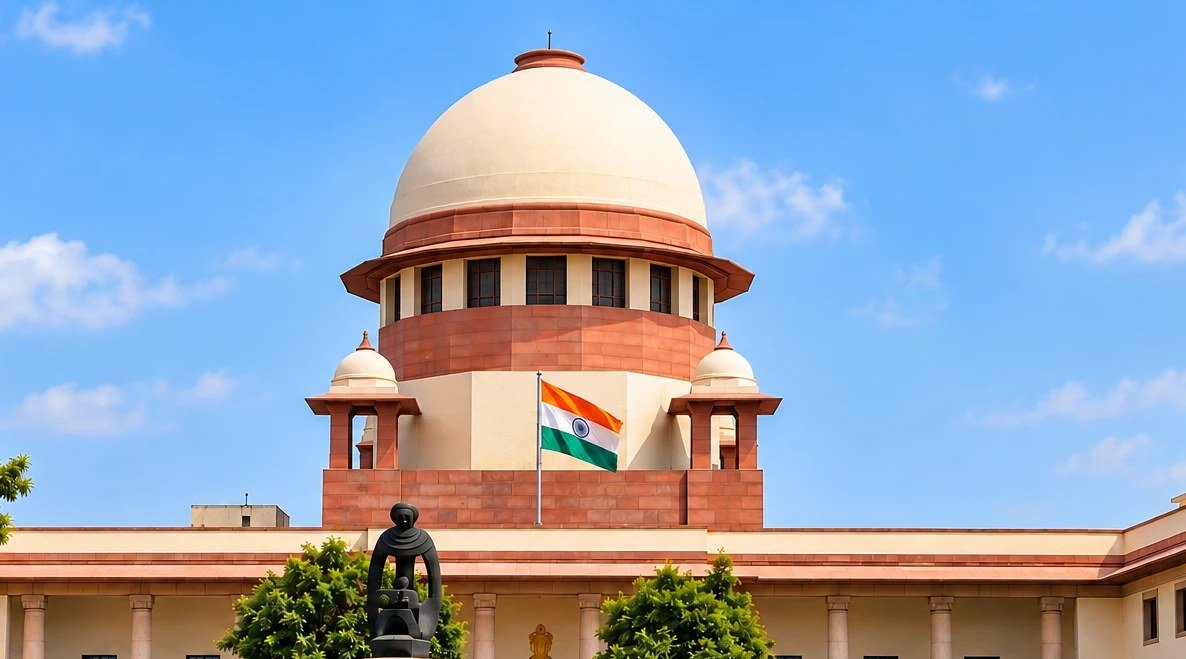
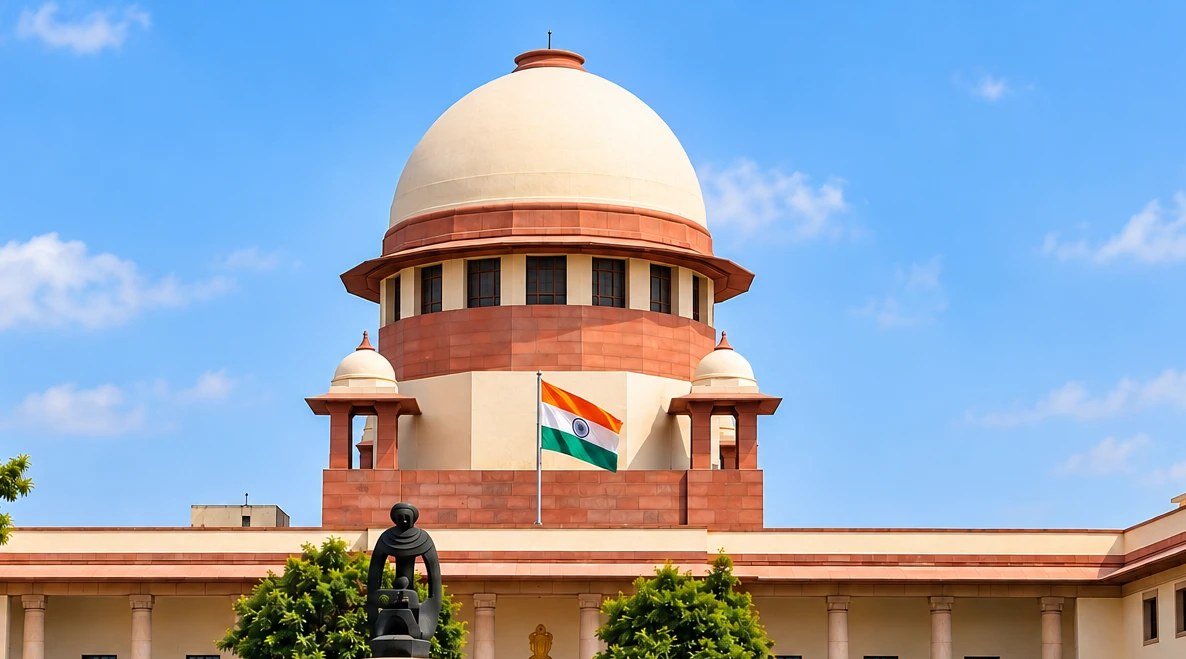
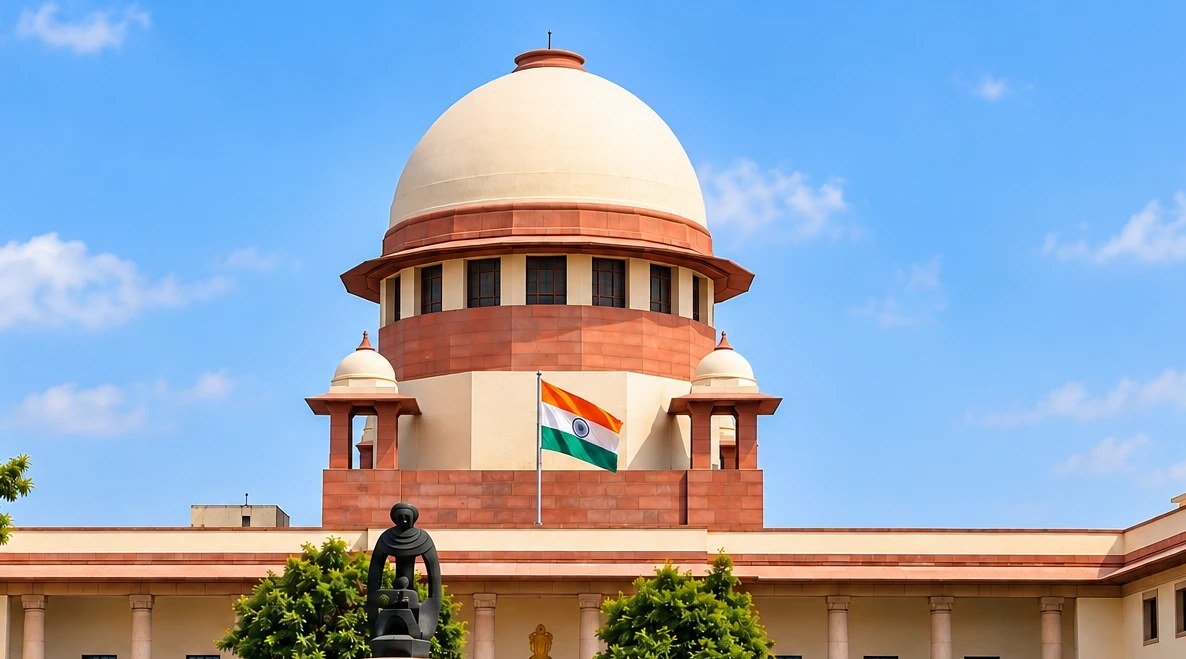
Presidential Election Must Be Completed Before Term Ends Despite Dissolved Assembly: Supreme Court

Published: · NyayVidhan

Answering a Presidential Reference after the Gujarat Assembly was dissolved, the Supreme Court held that the election of the President must be completed before the outgoing President's term expires even though a State Assembly is dissolved (paras 4, 50). Article 62(1) is mandatory, members of a dissolved Assembly are not electors, and the resulting vacancies are covered by Article 71(4) (paras 15, 32, 36). In advisory jurisdiction the Court accepts the facts recited in the Reference (para 39).

Presidential Election Must Be Completed Before Term Ends Despite Dissolved Assembly: Supreme Court

Judgment Intelligence

Other
In re Presidential Poll (Special Reference No. 1 of 1974)
Special Reference No. 1 of 1974 (Article 143(1)); reported as AIR 1974 SC 1682, (1974) 2 SCC 33 and 1975 SCR (1) 504
Court
Supreme Court of India
Date of Decision
5 June 1974
Bench
Chief Justice A.N. Ray and Justices P. Jaganmohan Reddy, H.R. Khanna, D.G. Palekar, K.K. Mathew, M.H. Beg and Y.V. Chandrachud
Relevant Acts & Sections
Constitution of India — Articles 52, 54, 55, 56, 62, 65, 71(4), 143, 170; Presidential and Vice-Presidential Elections Act, 1952 — Sections 4, 7; Delimitation Act, 1972 — Sections 8, 9, 10
Final Outcome

The Reference was answered accordingly; the Court's answers to the six questions are set out in its concluding paragraph (para 50).

Key holdings

  1. Only persons who are elected members of both Houses of Parliament and the State Legislative Assemblies on the date of the election can vote for the President (paras 32, 50).
  2. Vacancies caused by dissolution of an Assembly are covered by Article 71(4), subject to the question of dissolution of a substantial number of Assemblies, which was left open (paras 36-37, 50).
  3. The Presidential election must be held and completed before the outgoing President's term expires; Article 56(1)(c) only bridges the gap until the successor enters upon office (paras 19, 50).
  4. In advisory jurisdiction under Article 143(1), the Court accepts the facts recited in the Reference and cannot inquire into their truth or the bona fides of the reference (para 39).

Brief Facts

The Gujarat Legislative Assembly was dissolved in March 1974, and a new Assembly could be elected only after fresh delimitation on the basis of the 1971 census, which could not be completed before the President's term expired in August 1974 (paras 1-2, 43, 48). The President referred six questions under Article 143(1): who makes up the electoral college under Article 54, whether dissolution creates vacancies under Article 71(4), whether the election must be held before the term expires, and whether the outgoing President can continue under Article 56(1)(c) (paras 1-2, 50). Interveners argued that the election could not be held without the dissolved State's representatives (paras 20, 22, 31).

Court's Findings

The fixed term in Article 56(1) and the command in Article 62(1) that the election "shall be completed before the expiration of the term" reflect the dominant constitutional purpose, with no provision for extension (paras 3-5). ‘Otherwise’ in Article 62(2) does not cover expiry of the term (paras 6-8). Whether a provision is mandatory depends on its subject matter, importance and relation to the general object, and "It is the duty of the courts to get at the real intention of the legislature" (para 13). Impossibility caused by a candidate's death does not rob Article 62(1) of its mandatory character (paras 14-16), and, as held in Khare, vacancies cannot hold up the election (paras 17-18). Article 54 only prescribes the qualifications of electors; the Assemblies are not members of the electoral college, and members of a dissolved Assembly are not elected members entitled to vote (paras 24, 30, 32). Article 71(4) bars challenges based on any vacancy, including one caused by dissolution (paras 34-36). The Court left open mala fide dissolution and dissolution of a substantial number of Assemblies (para 37). It could not go behind the recitals in the Reference (para 39).

Legal Principle

Article 62(1) is mandatory: the election to fill a vacancy caused by expiry of the President's term must be completed before the term expires, even if a State Assembly is dissolved. Whether a provision is mandatory turns on the real intention of the law-maker, read from its whole scope (paras 4, 13, 15, 50).

Precedents Relied Upon

  1. Narayan Bhasker Khare v. The Election Commission of India [1957] S.C.R. 1081
    Followed Discussed at ¶ 17, 18, 34, 35, 36

    Article 62 is a clear mandatory provision; the Presidential election cannot be held up beyond the term because of vacancies in Parliament or State Legislatures — not obiter.

  2. Bratt v. Bratt (1826) 3 Addams 210
    Relied Upon Discussed at ¶ 13

    The key to every law is its reason and spirit, the intention of the law-maker expressed in the law taken as a whole.

  3. Warburton v. Loveland (1832) 2 D & Cl. 480
    Relied Upon Discussed at ¶ 33

    Where one part of a statute conveys a clear meaning, another part need not be introduced to control or diminish it.

View all precedents (6)
  1. In re The Allocation of Lands and Buildings in a Chief Commissioner’s Province [1943] F.C.R. 20
    Referred To Discussed at ¶ 40, 41

    The Federal Court should be unwilling to decline a Reference except for good reasons.

  2. In re Kerala Education Bill [1959] S.C.R. 995
    Followed Discussed at ¶ 41

    It is for the President to decide what questions to refer; parties cannot go behind the order of Reference or raise new questions.

  3. In re Levy of Estate Duty [1944] F.C.R. 317
    Referred To Discussed at ¶ 41

    A Reference should not be declined except for good reasons.
NyayVidhan
Court Judgments · 3 min read
Decided: June 5, 1974 Chief Justice A.N. Ray and Justices P. Jaganmohan Reddy, H.R...
PDF
WhatsApp Telegram X / Twitter LinkedIn

✕

Popular: POCSO, IBC, Electoral Bond, Article 370, NDPS Act, Bail Conditions, SC Contempt