
Judgment Intelligence
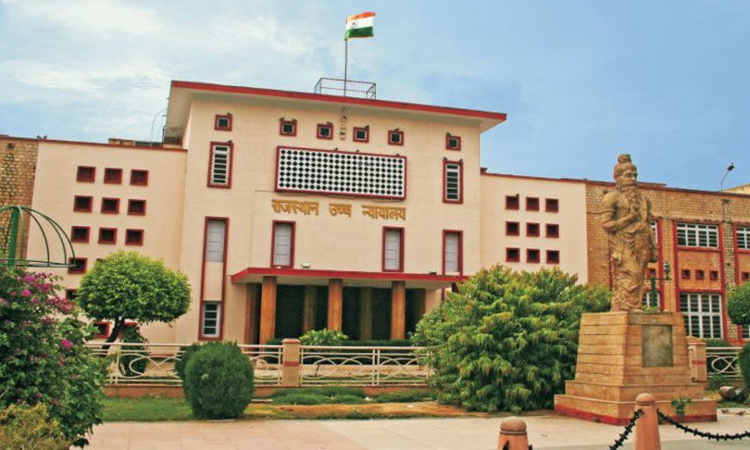
OtherSuo Motu: In Re Grievance of the Girls Staying in Balika Grah and Care Leavers v. Union of India & Ors.
Civil Writ Petition No. 8849/2025 (Suo Motu PIL)
- Court
- Rajasthan High Court
- Date of Decision
- 30 May 2025
- Bench
- Justice Anoop Kumar Dhand
- Relevant Acts & Sections
- Constitution of India — Articles 15, 21, 39; Juvenile Justice (Care and Protection of Children) Act, 2015 — Section 41(1)
Final Outcome
Notice issued; matter sent to the Chief Justice for listing (paras 32, 36). On 04.07.2025 a Division Bench held that only cognizance should have been taken, vacated the directions in paras 34 and 35 and sought the State's reply on the Balika Grah. The PIL was pending on 23.09.2026.
Key holdings
- A letter from children in a Balika Grah was registered as a suo motu PIL and notice issued (paras 27, 32).
- The Alwar Collector and DLSA Secretary were to inspect the Balika Grah, inquire into the stoppage of grant-in-aid, report, and ensure the children suffer no abuse (para 33).
- Care leavers frequently exit care at 18 without legal identity, housing or support; no database tracks them (paras 12-16).
- Steps for the Centre and State: finance, identity documents before leaving care, life skills, housing, mental health, tax relief, digital platforms, JJ Act reform (first para 34).
- Reports were summoned from the Union ministry and the Chief Secretary on steps taken for care leavers (second para 34).
Brief Facts
By a letter dated 20.05.2025, the children residing in the Balika Grah, Alwar told the Court of severe challenges caused by non-receipt of grant-in-aid, which they attributed to inaction by State officials; the letter also alleged exploitation by those officials (para 27). The Court also noted media reports on the hardship of care leavers (para 30). It treated the letter as a suo motu writ petition, directed its registration as a public interest litigation against ten respondents, including the Union of India, State authorities, the Alwar District Collector, the legal services authorities and UNICEF's Rajasthan office, and issued notice returnable in four weeks (para 32).
Court's Findings
The Court noted that Article 15 permits special provisions for children, Article 21 protects their life and liberty, and Article 39 requires the State to protect children from abuse (paras 3-4). Child care institutions must be registered under Section 41(1) of the JJ Act, 2015 and registered institutions receive grant-in-aid for each child; yet, for want of coordination between Central and State officials, the aid is not released, and the State, as guardian of these children, must act promptly (paras 10-11). Young people who ‘age out’ of care at 18 often leave without identity documents such as Aadhaar or voter cards, a permanent address, shelter or support, which shuts them out of bank accounts, jobs, education and housing (paras 12-15). No database tracks care leavers, aftercare for those aged 18 to 21 is fragmented and seldom funded, and those given vocational support largely remain employed (paras 16-18). Despite Mission Vatsalya, Rajasthan's Samarth Yojana and a separate Department of Child Rights, the Court found that the welfare State had failed to discharge its duties and that aftercare remains fragmented and inadequate (paras 25-26, 31).
Legal Principle
The State is the guardian of children in registered child care institutions; when their grant-in-aid is not released, it must act promptly and with sensitivity for their welfare. Care leavers need sustained support for independent living: legal identity, housing, financial aid, life skills and mental-health care (paras 11, 31, first para 34).
