Join our WhatsApp Group
Breaking
Sunday, October 11, 2026 Jaipur Edition
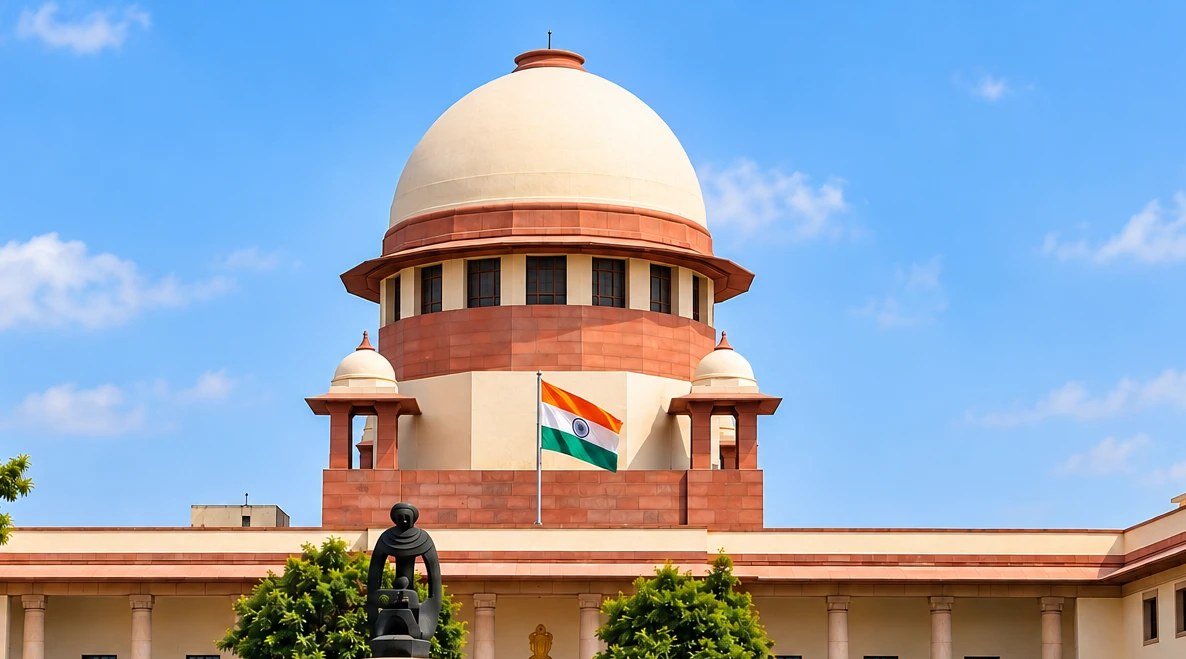
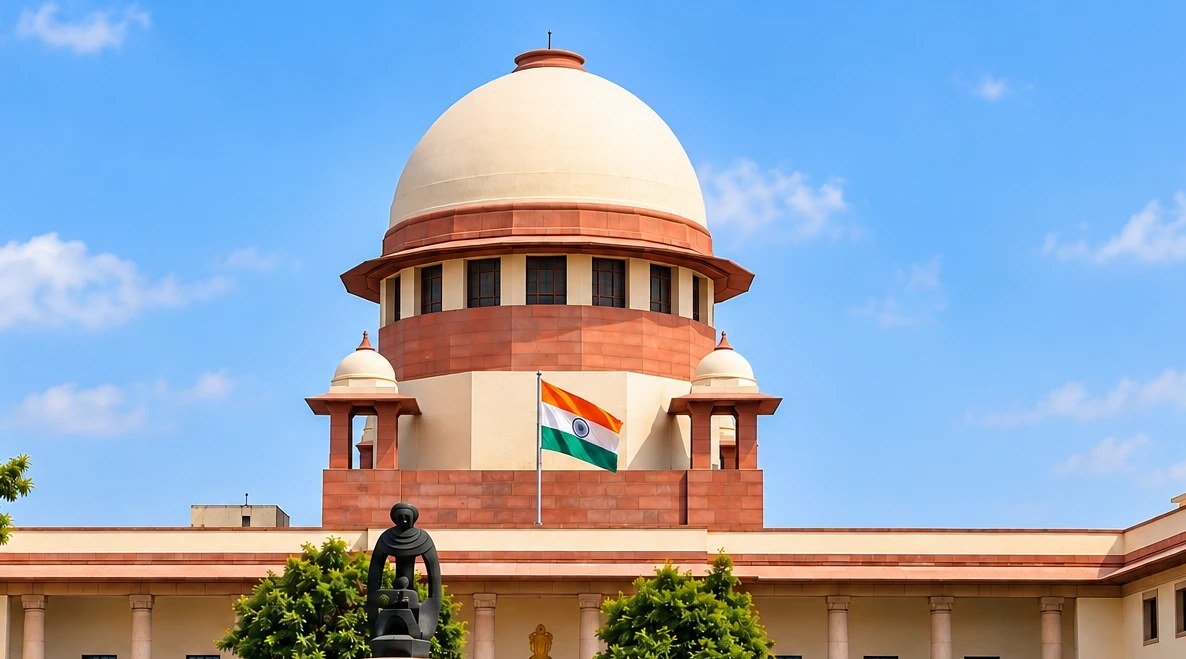
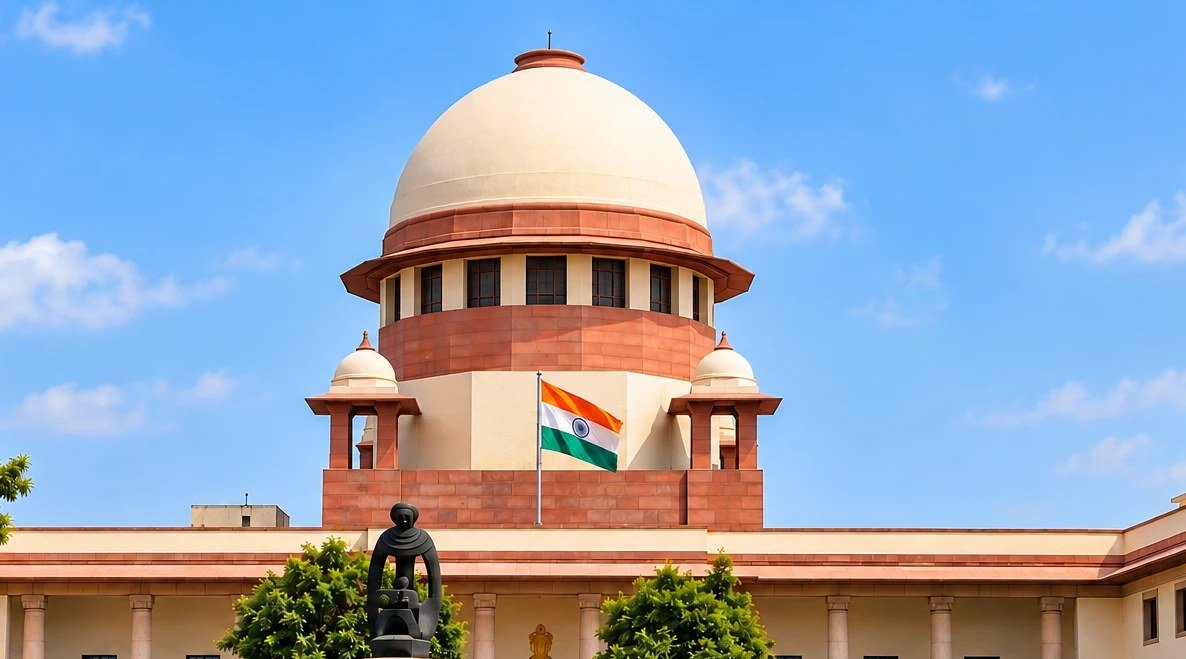
Supreme Court of India
Criminal Law

Strong Case Needed to Jail Accused Not Arrested During Investigation: Supreme Court Grants Bail in Cheating Case

Published: · NyayVidhan

The Supreme Court granted bail to a man in judicial custody since April 2017 in a cheating case, holding that the trial judge and the High Court ought to have granted it because he was never arrested during seven months of investigation (paras 12, 17-18). Restating that "the grant of bail is the general rule" (para 2), the Court said that where the investigating officer did not arrest an accused, "a strong case should be made out" for judicial custody after the charge sheet (para 4).

Strong Case Needed to Jail Accused Not Arrested During Investigation: Supreme Court Grants Bail in Cheating Case

Judgment Intelligence

Bail Granted
Dataram Singh v. State of Uttar Pradesh & Anr.
2018 INSC 107
Criminal Appeal No. 227 of 2018 (arising out of S.L.P. (Crl.) No. 151 of 2018); reported as (2018) 3 SCC 22
Court
Supreme Court of India
Date of Decision
6 February 2018
Bench
Justices Madan B. Lokur and Deepak Gupta
Relevant Acts & Sections
Code of Criminal Procedure, 1973 — Sections 436 (Explanation), 436A; Constitution of India — Article 21; Indian Penal Code, 1860 — Sections 406, 419, 420, 506; Negotiable Instruments Act, 1881 — Section 138
Final Outcome

The appeal was allowed and the appellant was granted bail on conditions to be reasonably fixed by the trial judge; the Court expressed no opinion on the allegations in the charge sheet or the complaint case (paras 18-20).

Key holdings

  1. Whether the accused was arrested during investigation, cooperated with the investigating officer, is a first-time offender, and is poor or indigent are factors a judge must weigh when deciding bail (para 4).
  2. A judge dealing with remand to police or judicial custody must adopt a humane attitude, having regard to the accused's dignity, Article 21 and prison overcrowding (para 5).
  3. Bail discretion, though unfettered, must be exercised judiciously, humanely and compassionately, and bail conditions must not be so strict as to make bail illusory (para 7).
  4. An accused not arrested during a seven-month investigation and given time by the High Court to appear posed no apprehension of absconding or hampering the trial; the courts below ought to have granted bail (para 17).

Brief Facts

In January 2016 the complainant lodged an FIR alleging that the appellant had cheated him of more than Rs. 37 lakhs, offences under Sections 419, 420, 406 and 506 IPC, and had stopped payment of an Rs. 18 lakh cheque; a complaint under Section 138 of the Negotiable Instruments Act followed (paras 9-10). The charge sheet was filed in August 2016; he was not arrested during the investigation (para 11). The High Court declined to quash the FIR but gave him time to appear; he appeared on 24 April 2017 and was taken into judicial custody, and the trial judge and the High Court rejected bail (paras 12-13). The State did not oppose bail; the complainant did (paras 8, 15-16).

Court's Findings

The Court began from two postulates: the presumption of innocence, and bail as the general rule with jail the exception — basic principles that "appear to have been lost sight of" (para 2). Relevant factors include whether the accused was arrested during investigation, whether he cooperated and did not abscond, whether he is a first-time offender, and his poverty or indigent status, which Parliament recognised in the Explanation to Section 436 and in Section 436A CrPC (para 4). A judge dealing with remand must adopt "a humane attitude", given the accused's dignity, Article 21 and prison overcrowding (para 5). Bail need not be granted in every case, but the discretion "must be exercised judiciously and in a humane manner and compassionately", and conditions must not make bail "illusory" (para 7). Without examining the allegations, the Court found that the appellant was not arrested during seven months of investigation and was given time to appear, so there was no apprehension that he would abscond or hamper the trial, and nothing showed earlier involvement in any illegal activity (para 17).

Legal Principle

Bail is the general rule and jail the exception. If the investigating officer did not find it necessary to arrest an accused during investigation, a strong case must be made out for placing him in judicial custody after the charge sheet; bail discretion must be exercised judiciously and humanely, without conditions that make bail illusory (paras 2, 4, 7).

Precedents Relied Upon

  1. In Re-Inhuman Conditions in 1382 Prisons (2017) 10 SCC 658
    Referred To Discussed at ¶ 5

    Noticed for the enormous overcrowding in prisons and the resulting social and other problems, one reason why a judge dealing with remand must adopt a humane attitude.

  2. Nikesh Tarachand Shah v. Union of India 2017 (13) SCALE 609
    Referred To Discussed at ¶ 6

    Recent decision that elaborately and lucidly explained the historical background of the provision for bail, going back to the Magna Carta.

  3. Gurbaksh Singh Sibbia v. State of Punjab (1980) 2 SCC 565
    Referred To Discussed at ¶ 6

    Referred to in Nikesh Tarachand Shah as observing that Nagendra v. King-Emperor held that bail is not to be withheld as a punishment.

View all precedents (5)
  1. Nagendra v. King-Emperor AIR 1924 Cal 476
    Referred To Discussed at ¶ 6

    Held long ago that bail is not to be withheld as a punishment (as noted through Nikesh Tarachand Shah and Sibbia).

  2. Emperor v. Hutchinson AIR 1931 All 356
    Referred To Discussed at ¶ 6

    Observed that grant of bail is the rule and refusal is the exception (as noted through Nikesh Tarachand Shah).
NyayVidhan
Court Judgments · 3 min read
Decided: February 6, 2018 Justices Madan B. Lokur and Deepak Gupta
PDF
WhatsApp Telegram X / Twitter LinkedIn

✕

Popular: POCSO, IBC, Electoral Bond, Article 370, NDPS Act, Bail Conditions, SC Contempt