

Join our WhatsApp Group
Breaking
Saturday, October 10, 2026 Jaipur Edition
Rajasthan High Court
Criminal Law

Mere Allegations of WhatsApp Harassment Cannot Sustain an Abetment of Suicide Charge: Rajasthan High Court

Published: · NyayVidhan

The Rajasthan High Court discharged a cricket coach charged with abetting the suicide of a fellow coach who, the complaint alleged, had been harassed and threatened in a WhatsApp group. Abetment under Section 306 IPC needs intentional instigation or aid with a clear mens rea, and mere allegations of harassment do not suffice for framing a charge (paras 10-11, 14). The defamation and insult charges also fell because the evidence did not show he sent any derogatory messages (para 25).

Mere Allegations of WhatsApp Harassment Cannot Sustain an Abetment of Suicide Charge: Rajasthan High Court
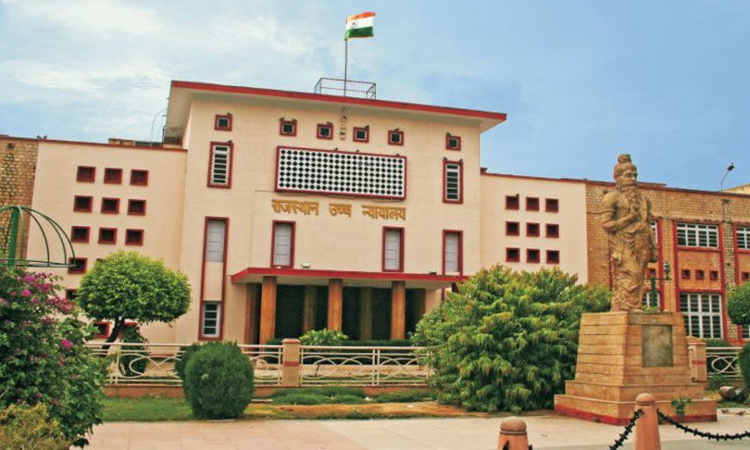
Photo: TrendSPLEND via Wikimedia Commons (CC BY-SA 4.0)

Judgment Intelligence

Petition Allowed
Kapil Ram @ Kapil Ram Singhani v. State of Rajasthan & Anr.
2025:RJ-JD:19948
S.B. Criminal Revision Petition No. 1300/2023
Court
Rajasthan High Court
Date of Decision
24 April 2025
Bench
Justice Manoj Kumar Garg
Relevant Acts & Sections
Indian Penal Code, 1860 — Sections 107, 306, 500, 501, 504
Final Outcome

Revision allowed. The order of 28.06.2023 framing charges under Sections 306, 500, 501 and 504 IPC in Sessions Case No. 129/2021 was quashed and set aside, and the petitioner was discharged of those offences; the stay petition was disposed of (paras 27-28).

Key holdings

  1. Section 306 read with Section 107 IPC needs direct or indirect instigation, in close proximity to the suicide, and a clear mens rea (para 10).
  2. At the stage of charge, mere allegations of harassment are not enough; intentional instigation or aid must appear (paras 11, 14).
  3. With no suicide note and nothing linking the petitioner’s conduct to the suicide, the charge failed even on the prosecution’s material (paras 14, 24).
  4. Charges under Sections 500, 501 and 504 IPC fail where nothing shows that the accused sent defamatory or insulting messages (para 25).

Brief Facts

Narendra Singh, a private cricket coach, took his own life. His brother reported to the police that fellow coaches, including the petitioner and a co-accused, had harassed and threatened him in a WhatsApp group, distress that allegedly contributed to his decision (para 2). FIR 184/2020 was registered and a charge-sheet filed, and on 28.06.2023 the Additional Sessions Judge No. 4, Jodhpur Metro, framed charges under Sections 306, 500, 501 and 504 IPC (paras 1, 3). The petitioner argued that no suicide note was recovered and that the witnesses examined under Section 161 CrPC did not implicate him (para 4). The State and the complainant's counsel supported the charge order (para 6); the complainant died during the revision (para 5).

Court's Findings

Read with Section 107, Section 306 IPC requires direct or indirect instigation, in close proximity to the suicide, with clear mens rea to abet it (para 10). When framing a charge, the court must consider whether the accused intentionally instigated or aided the suicide; mere allegations of harassment do not establish abetment (para 11). Relying on M. Arjunan v. State, the Court noted that insulting the deceased with abusive language is not abetment without evidence of an intention to instigate suicide (para 12). No suicide note was found here, and without concrete evidence of the harassment and a direct link to the suicide, the allegations could not support a Section 306 charge (para 14). Applying Supreme Court decisions including Mohit Singhal, Prakash and Laxmi Das (paras 15-23), the Court held that even taking the charge-sheet and witness statements as accurate, there was no substantive evidence of abetment and no allegation that the deceased was left with no alternative; threats or harassment without evidence of direct participation were not enough (para 24). On Sections 500, 501 and 504, the evidence indicated the petitioner sent no derogatory social-media messages about the deceased, so those charges lacked a legal basis (para 25).

Legal Principle

Abetment of suicide under Section 306 read with Section 107 IPC requires intentional instigation or aid, proximate to the suicide, with a clear mens rea. Allegations of harassment or threats, without material showing such instigation and a link to the suicide, do not justify framing a charge (paras 10-11, 14, 24).

Precedents Relied Upon

  1. Shabbir Hussain v. State of M.P. Special Leave to Appeal (Crl.) No. 7284/2017, dated 26.07.2021
    Referred To Discussed at ¶ 4

    Cited by the petitioner’s counsel in support of the submission that there was no evidence of abetment of suicide.

  2. State of West Bengal v. Indrajit Kundu and others (2019) 10 SCC 188
    Referred To Discussed at ¶ 4

    Cited by the petitioner’s counsel in support of the submission that there was no evidence of abetment of suicide.

  3. M. Arjunan v. State, represented by its Inspector of Police (2019) 3 SCC 315
    Relied Upon Discussed at ¶ 12

    Insulting the deceased with abusive language does not by itself constitute abetment of suicide; there must be evidence that the accused intended by that act to instigate the deceased to commit suicide.

View all precedents (12)
  1. Chitresh Kumar Chopra v. State (Govt. of NCT of Delhi) (2009) 16 SCC 605
    Relied Upon Discussed at ¶ 15

    Abetment requires an intention to provoke, incite or encourage the doing of an act by the accused; each person’s suicidability pattern differs.

  2. S.S. Chheena v. Vijay Kumar Mahajan and another (2010) 12 SCC 190
    Relied Upon Discussed at ¶ 16

    Without a positive act of the accused to instigate or aid the suicide, a conviction under Section 306 IPC cannot be sustained; a clear mens rea and an active or direct act are required.

  3. Randhir Singh v. State of Punjab (2004) 13 SCC 129
    Relied Upon Discussed at ¶ 17

    Abetment involves a mental process of instigating or intentionally aiding; a more active role is required before a person can be said to abet the commission of an offence under Section 306 IPC.

  4. Kishori Lal v. State of M.P. (2007) 10 SCC 797
    Relied Upon Discussed at ¶ 18

    Section 107 IPC: abetment is by instigation, conspiracy or intentional aid; to instigate means to provoke, incite, urge on or bring about by persuasion.

  5. Amalendu Pal @ Jhantu v. State of West Bengal 2009 7 Supreme 289
    Relied Upon Discussed at ¶ 19

    Mere allegations of harassment, without a positive act proximate to the occurrence that led or compelled the person to commit suicide, cannot sustain a conviction under Section 306 IPC.

  6. Mariano Anto Bruno and Ors. v. The Inspector of Police AIR 2022 SC 4994
    Relied Upon Discussed at ¶ 20

    There must be proof of direct or indirect acts of incitement to suicide; mere allegations of harassment without a positive proximate act are not enough.

  7. Mohit Singhal v. State of Uttarakhand Criminal Appeal No. 3578/2023, dated 01.12.2023
    Relied Upon Discussed at ¶ 21

    The accused must have mens rea to instigate; the instigation must be intense enough to leave the deceased no choice and must be in close proximity to the suicide.

  8. Prakash and Others v. The State of Maharashtra and Another 2024 INSC 1020
    Relied Upon Discussed at ¶ 22

    Section 306 IPC requires proof of direct or indirect acts of instigation in close proximity to the suicide, revealing a clear mens rea; a mere allegation of harassment does not suffice.

  9. Laxmi Das v. The State of West Bengal & Ors. 2025 INSC 86
    Relied Upon Discussed at ¶ 23

    Disapproval of a relationship and a remark of the kind made there do not amount to abetment; a positive act creating an environment that pushes the deceased to the edge is needed. (The order prints the name as ‘Lamxi Das’.)
NyayVidhan
Court Judgments · 3 min read
Decided: April 24, 2025 Justice Manoj Kumar Garg
PDF
WhatsApp Telegram X / Twitter LinkedIn

✕

Popular: POCSO, IBC, Electoral Bond, Article 370, NDPS Act, Bail Conditions, SC Contempt