
Join our WhatsApp Group
Breaking
Saturday, October 10, 2026 Jaipur Edition
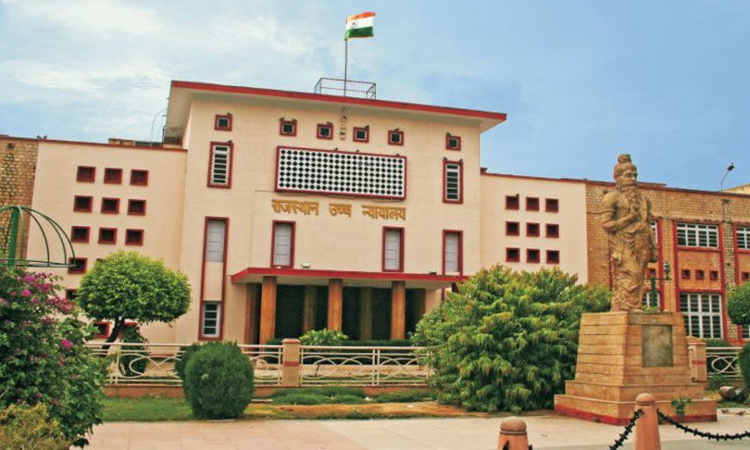
Rajasthan High Court
Constitutional Law

Acceptance of Nomination Can Be Challenged Only by Election Petition, Not Writ: Rajasthan High Court

Published: · NyayVidhan

The Rajasthan High Court dismissed in limine a writ petition against a Returning Officer's order accepting a candidate's nomination for the MLA election from Dausa constituency. Improper acceptance or rejection of a nomination is a ground for declaring an election void under Section 100 of the Representation of the People Act, 1951, and Section 80 and Article 329(b) allow an election to be questioned only by an election petition (paras 5, 10, 12). The writ court would not examine whether the grounds for acceptance were flimsy or substantial (para 12).

Acceptance of Nomination Can Be Challenged Only by Election Petition, Not Writ: Rajasthan High Court

Judgment Intelligence

Petition Dismissed
Jagmohan v. Election Commission of India & Ors.
2024:RJ-JP:45752
S.B. Civil Writ Petition No. 17006/2024
Court
Rajasthan High Court
Date of Decision
5 November 2024
Bench
Justice Anoop Kumar Dhand
Relevant Acts & Sections
Representation of the People Act, 1951 — Sections 80, 100 and 123(2); Constitution of India — Articles 226 and 329(b)
Final Outcome

Writ petition dismissed in limine as not maintainable; the petitioner's remedy is an election petition under Sections 80 and 100 of the 1951 Act. The stay application and all other pending applications were also dismissed (paras 12-13).

Key holdings

  1. Improper acceptance and improper rejection of a nomination are equal grounds under Section 100 for declaring an election void (paras 5, 8).
  2. Acceptance or rejection of a nomination paper is part of the ‘election’ and is questioned by an election petition (paras 6, 12).
  3. Only Returning Officer actions that interfere with the free flow of the scheduled election or hinder its process are amenable to writ jurisdiction (para 9).
  4. Article 329(b) bars calling an election to Parliament or a State Legislature in question except by an election petition (para 10).
  5. A writ court will not examine whether the grounds for accepting a nomination are flimsy or substantial (para 12).

Brief Facts

The petitioner challenged the Returning Officer's order of 28.10.2024, which rejected his objections and accepted the nomination form of respondent No. 3 for contesting the MLA election from Dausa constituency (para 1). His case was that respondent No. 3 made a false declaration and filed a false affidavit: his objection said the Income Tax Returns of the preceding three financial years and complete bank account details were not furnished (para 2). Relying on Lok Prahari v. Union of India, he contended that this was a corrupt practice and undue influence under Section 123(2) of the 1951 Act (para 2).

Court's Findings

The Court framed the only issue as the improper acceptance of respondent No. 3's nomination (para 4). Section 100 of the 1951 Act makes improper acceptance or rejection of a nomination a ground for declaring an election void, and Section 80 permits an election to be questioned only by an election petition (paras 5, 8). Following N.P. Ponnuswami, the Court held that 'election' covers the whole process, including the acceptance or rejection of nominations, which can be challenged by an election petition (para 6). Relying on Manda Jaganath, it noted that only those actions of a Returning Officer that interfere with the free flow of scheduled elections or hinder the election process are amenable to writ jurisdiction; the petitioner did not claim that the order had that effect (para 9). Article 329(b) bars calling an election in question except by an election petition (para 10). Quoting Election Commission of India v. Ashok Kumar, the Court noted that a challenge which may interrupt or protract election proceedings must be postponed until they are complete (para 11). Under Article 226 it could not examine whether the grounds for accepting the nomination were flimsy or substantial (para 12).

Legal Principle

A writ petition under Article 226 against a Returning Officer's acceptance or rejection of a nomination is not maintainable. The decision is part of the 'election', and Sections 80 and 100 of the Representation of the People Act, 1951, read with Article 329(b), make an election petition the remedy (paras 6, 10, 12).

Precedents Relied Upon

  1. N.P. Ponnuswami v. Returning Officer AIR 1952 SC 64
    Followed Discussed at ¶ 6

    The term 'election' embraces the whole election procedure, not only its final result; the rejection or acceptance of a nomination paper is part of it and can be questioned by an election petition.

  2. Manda Jaganath v. K.S. Rathnam and Ors. (2004) 7 SCC 492
    Relied Upon Discussed at ¶ 9

    The Representation of the People Act, 1951 provides the forum for election disputes; only Returning Officer actions that interfere with the free flow of scheduled elections or hinder the election process are amenable to writ jurisdiction.

  3. Election Commission of India v. Ashok Kumar 2000 (8) SCC 216
    Relied Upon Discussed at ¶ 11

    Article 329(b) bars calling an election in question except by an election petition; a challenge that may interrupt, obstruct or protract election proceedings must be postponed until the election is complete.

View all precedents (4)
  1. Lok Prahari v. Union of India & Ors. (2018) 2 SCR 892
    Referred To Discussed at ¶ 2

    Cited by the petitioner for the submission that the alleged non-disclosure in the nomination amounted to a corrupt practice.

NyayVidhan
Court Judgments · 3 min read
Decided: November 5, 2024 Justice Anoop Kumar Dhand
PDF
WhatsApp Telegram X / Twitter LinkedIn

✕

Popular: POCSO, IBC, Electoral Bond, Article 370, NDPS Act, Bail Conditions, SC Contempt